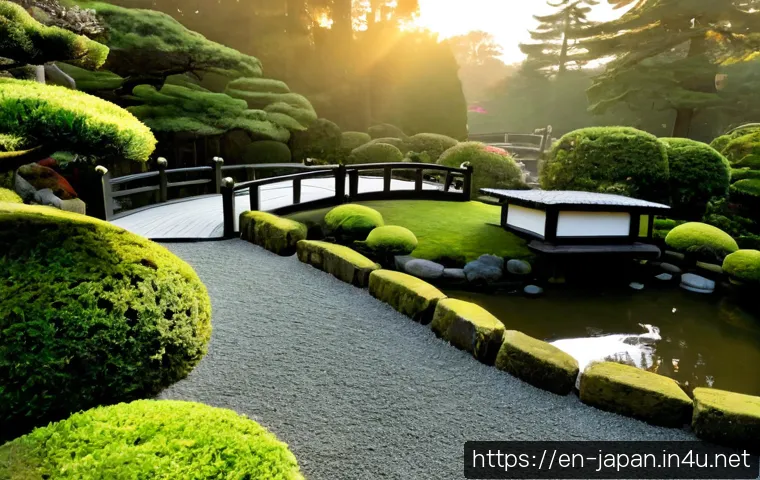
A Japanese-inspired garden feels most successful when it uses restraint, natural materials, and a deliberate view rather than a collection of ornaments.
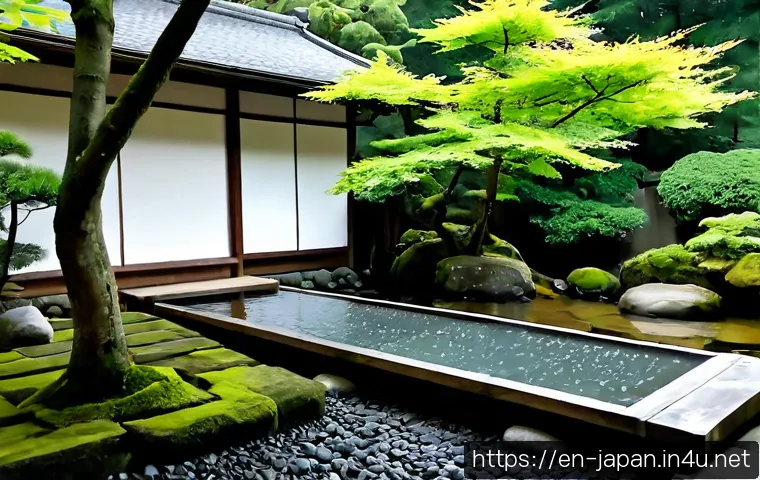
Choose a dry garden for a compact, lower-equipment layout, a path-focused garden for a calm walking experience, or a pond design when water is worth the added maintenance planning.
Before ordering stone, gravel, plants, or a water feature, assess drainage, sunlight, available space, and the time you can devote to seasonal care. A landscape design consultation can be useful when the site has slopes, difficult drainage, large stone, or multiple viewing areas.
For simpler spaces, a carefully phased DIY plan may be enough. The goal is not to copy every traditional detail, but to create a respectful, balanced garden that works with your local climate.
At a Glance
- Dry landscape gardens use gravel, stone, and limited planting to suggest water and create a quiet focal view.
- Path-focused layouts emphasize stepping stones, shade, and a gradual sense of arrival rather than a single dramatic feature.
- Pond or stream gardens can add movement and reflection, but need drainage, equipment, and ongoing maintenance planning.
| Approach | Best Fit | Homeowner Effort | Main Risk to Plan For | Estimate Factors |
|---|---|---|---|---|
| DIY installation | Small dry gardens, simple paths, limited planting | High | Incorrect base preparation, drainage, or stone scale | Material quality, delivery access, site preparation, tools |
| Landscape design consultation | Homeowners who need a site plan or planting direction | Moderate | A good concept that is not matched to actual site conditions | Design scope, revisions, drainage review, planting plan |
| Full-service landscaping contractor | Grading, ponds, masonry, electrical work, or large stone | Lower during installation | Unclear scope, material substitutions, and missing maintenance details | Labor, drainage, equipment, stone handling, irrigation, lighting, maintenance |
What Makes a Japanese-Inspired Garden Feel Balanced and Purposeful
The Quick Answer: Restraint, Asymmetry, Natural Materials, and a Considered Viewing Experience
A Japanese-inspired garden is usually strongest when every element has a role. Stone, water, plants, paths, bridges, and lanterns work as parts of one composition instead of separate decorative purchases. The design often relies on asymmetry, varied texture, and open space so the garden does not feel crowded.
Start with fewer materials than you think you need. A single stable stone grouping, a modest planted edge, and a defined gravel area can create more presence than many small ornaments placed around the yard. Avoid treating every empty spot as a place that needs a feature.
Traditional Influence Versus a Respectful Modern Interpretation
A modern garden can use traditional principles without making broad authenticity claims. You may adapt the composition to a smaller lot, local building style, and plants that suit your climate. The most useful starting point is intentional placement: each path should lead somewhere, each stone should feel grounded, and each planting area should support the overall atmosphere.
Do not force plants or materials that struggle in local conditions simply because they appear in a reference image. A climate-suitable tree, shrub, fern, or groundcover can support the same calm and layered effect when chosen carefully.
Start With the View From Indoors, Not With Ornaments
Choose the main viewing point before shopping for lanterns, gravel, or water features. Look through a window, across a patio, or from the place where people naturally enter the garden. Then decide what should be framed: a stone group, a tree silhouette, a path curve, or a distant wall.
This approach connects with shakkei, often translated as borrowed scenery. Existing trees, a neighboring wall, a distant hill, or an architectural line can become part of the composition. Screen distractions where practical, but preserve useful background views rather than filling the entire boundary with plants.
Choose the Right Garden Style for Your Space, Budget, and Maintenance Level
Dry Landscape Garden: Gravel, Stone, and Minimal Planting
A compact dry landscape garden can be a practical choice for a small courtyard, entry area, or sunny space where a pond would be difficult to manage. Raked gravel can symbolically represent water, while stone provides the visual structure. Planting is often limited so the ground surface and stone arrangement remain visible.
This style can reduce equipment needs compared with a pond, but it is not maintenance-free. Gravel may need raking and renewal, weeds still require attention, and surrounding plants need pruning so they do not hide the intended proportions. Use stone that feels substantial enough for the space; undersized pieces can look temporary rather than integrated.
Tea-Garden-Inspired Path: Gates, Stepping Stones, and Shaded Planting
A tea-garden-inspired layout works well when the experience of walking matters as much as the final view. Roji gardens associated with tea gardens typically emphasize transition and a sense of arrival. In a home landscape, that can mean a modest gate, stepping stones, a turn in the path, and planting that slows the pace.
Keep walking routes clear and stable. Stepping stones should guide movement naturally, not create an obstacle course. Shaded planting can soften the route, but plant selection must match your local rainfall, soil, sunlight, and hardiness conditions.
Pond or Stream Garden: Visual Impact, Equipment Needs, and Maintenance Trade-Offs
A pond or stream creates literal water movement, reflection, and sound. It can become the focal point of a larger garden, especially when paired with stone and carefully controlled planting. It also requires a realistic plan for filtration, leaf control, seasonal conditions, and access for maintenance.
Before selecting a water feature, ask how drainage will behave during rainfall and where equipment will be placed. A contractor estimate should clearly identify the water-feature scope, foundation work, drainage approach, electrical requirements where applicable, and who will maintain the system after installation.
DIY, Design Consultation, or Full-Service Landscaping: A Comparison Table
DIY can work well when the project is contained: a small gravel area, modest planting, and lightweight materials that can be safely handled. A landscape design consultation is useful when you need help connecting views, circulation, stone placement, and locally suitable plants before installation begins.
Full-service landscaping is often the safer route for grading, drainage correction, electrical work, pond construction, retaining walls, masonry, or large-stone placement. These are not areas to guess through after materials arrive. Request a written scope so the installation approach and responsibilities are clear.
Plan the Layout Before Buying Stone, Gravel, Plants, or Water Features
Define Focal Points, Walking Routes, and Framed Views
Draw a simple site plan showing doors, windows, property edges, existing trees, slopes, and drainage paths. Mark where people will stand and what they will see. Then establish one primary focal point and a limited number of secondary details.
A path should have a purpose: reaching a seating area, crossing a planted zone, or leading the eye toward a framed view. A curve can be effective when it responds to the site, but avoid adding curves merely as decoration.
Use Stone, Gravel, Moss-Like Groundcovers, and Planting in Proportion
Stone placement is a foundational decision. It should appear natural, stable, and connected to the site rather than perched on top of the soil. Place major stones first, then evaluate their relationship to paths, gravel, and views before adding smaller pieces.
Use gravel as a surface with visual breathing room. Groundcovers can create a soft, moss-like effect in suitable conditions, but they should not be selected solely for appearance. Give plants enough room to mature without swallowing paths, stone edges, or the view from indoors.
Design Drainage and Irrigation Around the Site’s Actual Conditions
Drainage should be considered before decorative surfaces are installed. Observe how water moves across the property and where it collects. Gravel, paths, planting beds, and water features all need to work with those conditions rather than conceal them temporarily.
If irrigation is being considered, include it in the landscape planning stage. Ask how it will serve the selected plants, how it will be accessed, and whether it fits local water restrictions. A landscape contractor or designer can help define the scope when existing drainage is uncertain.
Select Locally Suitable Plants Instead of Forcing Unsuitable Species
Use plants suited to your site’s sunlight, soil, rainfall, and climate. The visual goal may be layered greenery, seasonal change, or a sculptural tree form, but the exact species should follow local conditions. This makes the garden easier to maintain and reduces the need to constantly correct stressed growth.
When comparing plant lists in landscaping estimates, ask for the intended mature size, placement, and maintenance expectations. A good-looking plan on installation day may become crowded if growth is not considered.

Installation Steps and Common Landscaping Mistakes to Avoid
Prepare Grades, Drainage, Edging, and Path Foundations First
Begin with the structural work: grades, drainage routes, path bases, edging, and access for materials. Decorative gravel and planting should come after the surfaces beneath them are prepared. Skipping this sequence can lead to shifting paths, poorly contained gravel, or water problems that require rework.
Place Major Stones Before Adding Smaller Details
Set the largest visual elements first. Review them from the main viewing areas and along the walking route. Only then add smaller stones, plants, or a lantern if it supports the composition. This sequence helps prevent a scattered appearance.
Large stone is heavy and difficult to reposition. If delivery access is limited or safe placement requires machinery, include that condition in a contractor estimate rather than assuming it is part of a basic material order.
Avoid Crowded Lanterns, Excessive Symmetry, and Decorative Clutter
One common mistake is turning the garden into a display of unrelated objects. Multiple lanterns, small bridges without a purpose, repeated ornaments, and evenly spaced stone can weaken the calm effect. Leave open areas where gravel, planting, or a simple view can do the work.
Another mistake is combining styles without a clear hierarchy. If the garden is centered on a dry landscape, let the gravel and stone remain dominant. If the main idea is a shaded path, keep the destination and route readable.
Know When Electrical, Pond, Retaining-Wall, and Heavy-Stone Work Require a Professional
Professional help is appropriate when installation involves technical or high-risk site work. Electrical components for lighting or water equipment, pond construction, retaining-wall work, significant grading, and heavy-stone installation need qualified planning and execution. Permit requirements and project conditions vary by location, so confirm them before approving work.
When reviewing landscaping services, ask whether the proposal includes site preparation, material handling, drainage, cleanup, and a clear handoff for future maintenance.
Maintenance Planning for a Garden That Improves With Age
Seasonal Pruning, Raking, Weeding, and Gravel Renewal
The intended appearance depends on proportion, visibility, and controlled plant growth. Seasonal pruning keeps important stones, paths, and borrowed views from disappearing behind foliage. Raking and weeding help a dry garden remain intentional rather than neglected.
Create a short seasonal list: inspect paths, remove invasive weeds, refresh gravel where needed, check plant growth around focal stones, and review the view from indoors. A maintenance service can be helpful if the garden includes detailed pruning or if the property is managed remotely.
Pond Filtration, Leaf Control, and Winter Considerations
Pond gardens need a separate maintenance plan. Consider filtration, debris from nearby trees, access to equipment, and changing seasonal conditions before installation. The maintenance needs depend on the design, local weather, surrounding vegetation, and the specific equipment selected.
Do not treat a pond as a one-time landscape purchase. Ask the installer what routine care is expected and what parts of the system should be checked over time.
Creating a Maintenance Schedule for a Homeowner or Landscaping Service
Decide early who will handle pruning, gravel care, irrigation checks, and pond upkeep. A simple written schedule makes it easier to compare maintenance-service options. It also helps preserve the original design intent after the installation team leaves.
Selection Criteria and Comparison Summary
Choose your direction by checking available space, drainage conditions, desired atmosphere, maintenance time, material access, and the level of technical work involved. A dry garden may suit a compact area and a restrained maintenance routine. A path-focused garden may suit a property where arrival and movement are the main experience. A pond-centered design may be appropriate when you are prepared for equipment and regular care.
Before hiring, compare at least two written landscaping estimates using the same scope. Each proposal should identify design work, grading, drainage, stone type and handling, gravel, plants, irrigation, lighting, water-feature equipment if applicable, cleanup, and ongoing maintenance options. Review the material specifications and service conditions on the provider’s own page before making a final selection.
Closing Thoughts
A Japanese-inspired garden does not need a large property or a long list of decorative elements. It needs a clear view, stable structure, and materials that fit the site. Begin with the layout and drainage, then let stone, paths, water, and planting support one another. A thoughtful plan usually creates a calmer result than adding more features later.
Useful Things to Know
1. Gravel can represent water in a dry landscape garden, so a pond is not required to create a water-like visual effect.
2. Borrowed scenery can include existing trees, walls, hills, or architecture beyond the garden itself.
3. Stone should be selected and placed as part of the site composition, not treated as a last-minute accessory.
4. Local climate and site conditions should guide plant selection.
Important Considerations
Installation cost, maintenance pricing, permit requirements, and project duration vary by region, property size, drainage conditions, material selection, and contractor scope. Plant performance also depends on local hardiness conditions, soil, rainfall, sunlight, and water restrictions. Confirm technical requirements, plant suitability, and written scope details with qualified local professionals before work begins.
Frequently Asked Questions
Q1. How much does a Japanese-inspired garden cost to install?
A1. Installation cost varies by property size, region, drainage conditions, material choices, access, and contractor scope. A compact dry garden may involve a different scope from a pond, masonry, or large-stone project. Request written estimates that describe the same work and materials so they can be compared fairly.
Q2. Is a dry Japanese-style garden easier to maintain than a pond garden?
A2. A dry garden generally avoids pond equipment and water-feature care, but it still needs raking, weeding, pruning, and occasional gravel renewal. A pond garden adds maintenance considerations such as filtration, leaf control, and seasonal conditions.
Q3. Should I hire a landscape designer for stone placement and drainage planning?
A3. A landscape design consultation can be useful when the site has slopes, uncertain drainage, multiple viewpoints, or a need for a detailed planting and material plan. For grading, drainage correction, electrical work, pond construction, retaining walls, or heavy-stone placement, qualified professional involvement is especially important.