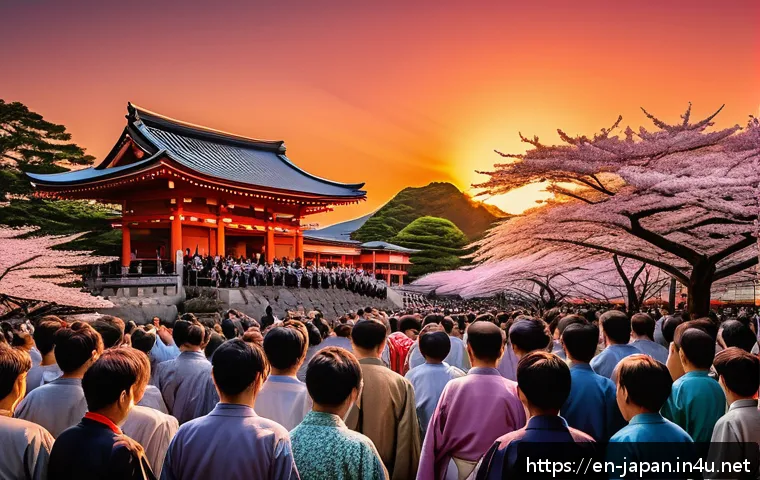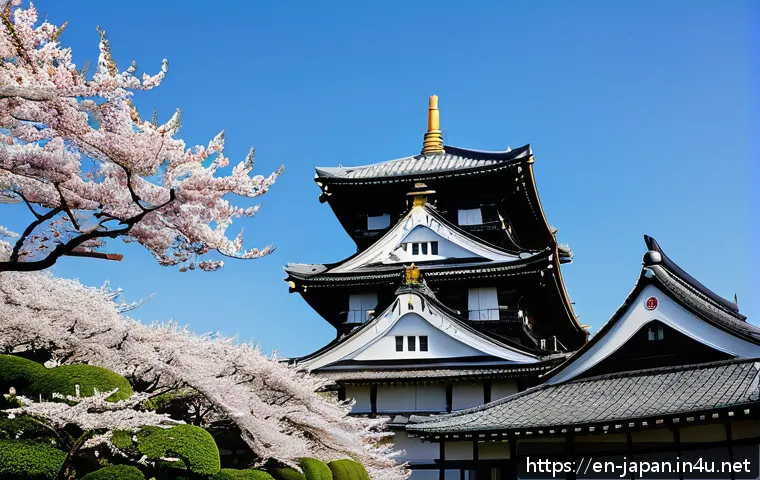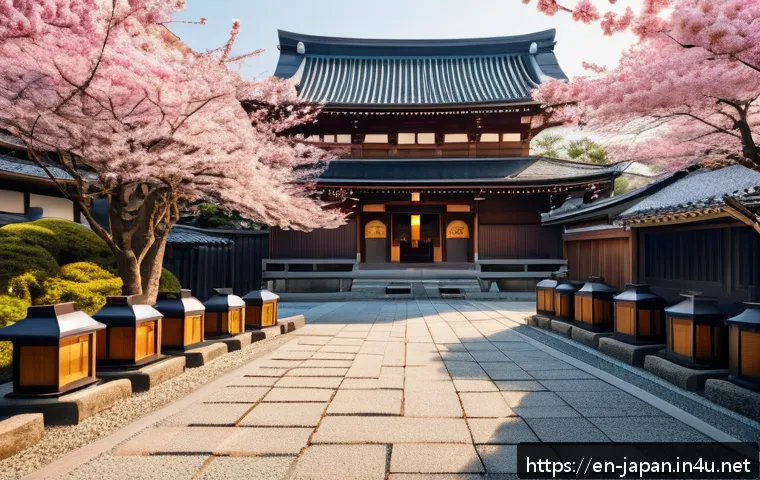
In a world that’s constantly rushing forward, there’s something profoundly grounding about exploring the timeless elegance of Japanese traditional arts and poetry.
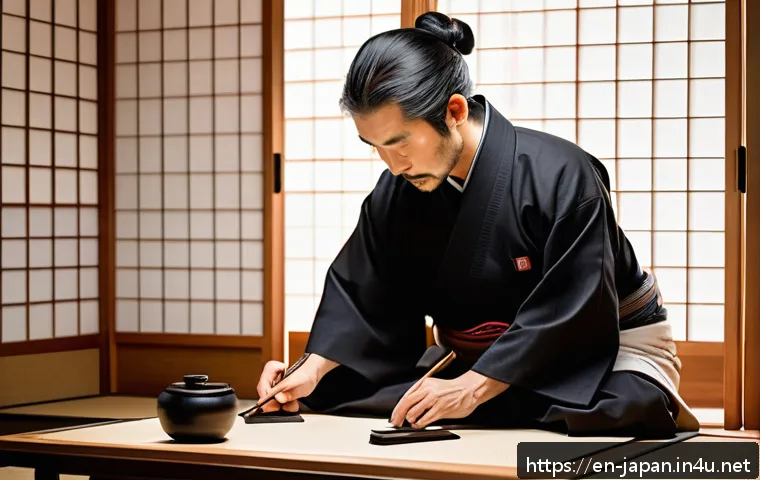
Recently, with growing global interest in mindfulness and cultural heritage, these ancient practices have found a fresh wave of appreciation. From the delicate brushstrokes of sumi-e painting to the evocative verses of haiku, they offer a unique window into Japan’s soul.
If you’ve ever wondered how art and poetry can deepen our connection to nature and history, this journey into Japan’s rich cultural tapestry might just inspire you.
Stick around as we unlock the beauty that has captivated hearts for centuries.
The Subtle Art of Visual Storytelling
Ink and Emotion: The Language of Sumi-e
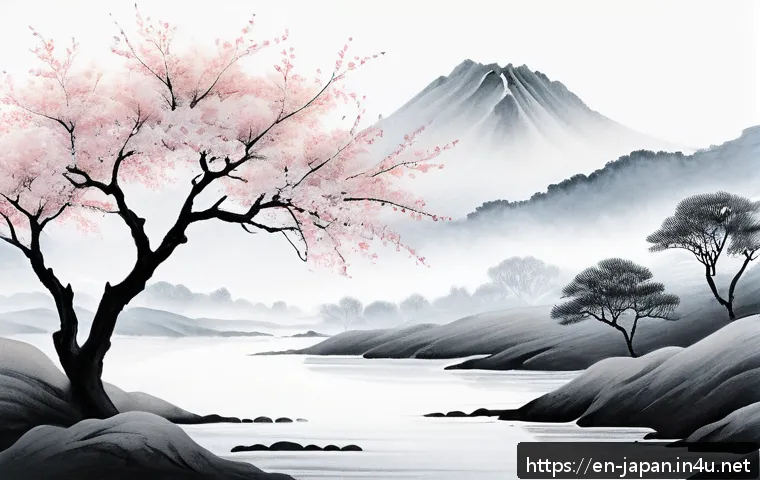
Sumi-e, or Japanese ink painting, is a practice that demands not only skill but a profound connection between the artist and their subject. Unlike more detailed Western styles, sumi-e thrives on minimalism—each brushstroke carries weight and intention.
I remember watching an artist at work once, the way their brush danced across the paper almost felt like a silent conversation with nature. What fascinated me was how every stroke conveyed movement and mood, often capturing the essence of a scene rather than its precise details.
This economy of expression challenges the artist to think deeply about what truly matters, teaching us to appreciate simplicity in a world overloaded with information.
Colors of Tradition: The Palette Beyond Ink
While sumi-e traditionally focuses on black ink, subtle hints of color often appear, adding layers of meaning without overwhelming the piece. Soft reds, gentle greens, and muted browns are introduced sparingly, enhancing the atmosphere or highlighting a particular element.
This restrained use of color reflects the broader Japanese aesthetic of restraint and balance, where beauty emerges not from abundance but from thoughtful placement.
Experiencing sumi-e firsthand, I noticed how these nuanced colors evoke feelings of calm and introspection, inviting viewers to slow down and absorb the scene’s quiet power.
The Brush as a Mindful Extension
Practicing sumi-e can become a form of meditation. The deliberate, slow movements encourage mindfulness, focusing the mind on the present moment. When I tried it myself, I was surprised by how calming the process was—each stroke required attention and patience, pushing out distractions.
This meditative quality is a key reason why sumi-e is gaining traction globally among those seeking mindful artistic expression. It’s not just about creating art but about cultivating a state of awareness and connection that feels increasingly rare today.
Echoes of Nature in Compact Verse
The Power of Haiku to Capture Fleeting Moments
Haiku poetry distills experience into three brief lines, traditionally 5-7-5 syllables, but its true magic lies in evoking a vivid image or feeling in so few words.
What struck me most about haiku is its ability to freeze a moment in time—often a simple observation of nature—yet it resonates deeply with universal themes like change, impermanence, and beauty.
When reading haiku, I often feel transported to the scene, sensing the crisp air, the rustle of leaves, or the quiet hum of a summer evening. It’s like a tiny window that opens wide to the heart of a moment.
Seasonal References and Emotional Depth
A hallmark of haiku is the inclusion of “kigo,” or seasonal words, anchoring the poem in a specific time and place. This practice not only grounds the poem in nature’s rhythms but also evokes the emotions tied to that season.
For example, cherry blossoms symbolize fleeting beauty and renewal, while autumn leaves often suggest melancholy or reflection. I found that learning about these seasonal cues enriched my appreciation of haiku, revealing layers of meaning that might otherwise be missed by casual readers.
It’s a subtle way poetry connects us to the cycles of life and the passage of time.
Modern Haiku: Tradition Meets Contemporary Life
While rooted in centuries-old tradition, haiku continues to evolve, with poets worldwide adapting its form to reflect modern experiences. I’ve come across haiku that touch on urban scenes, technology, and even social issues—all while maintaining the form’s brevity and focus on vivid imagery.
This adaptability shows how timeless the haiku spirit is, capable of bridging cultures and eras. For those new to poetry, haiku offers an accessible yet profound way to engage with language, encouraging observation and mindfulness in everyday moments.
Crafting Harmony Through Calligraphy
More Than Words: Calligraphy as Artistic Expression
Japanese calligraphy, or shodo, transforms writing into an art form where every stroke expresses the artist’s spirit. Watching a calligrapher work is mesmerizing—the dynamic flow of the brush, the balance between bold and delicate lines, and the rhythm of movement create an almost musical experience.
I recall attending a workshop where the instructor emphasized how each character should embody energy and emotion, not just replicate shape. This philosophy reminded me that writing, at its core, is a deeply personal act, and calligraphy elevates it to a form of self-expression and communication beyond words.
Tools of the Trade: Brushes, Ink, and Paper
The choice of materials in shodo profoundly influences the final piece. Brushes vary in size and stiffness, ink can be ground fresh from solid sticks or used in liquid form, and paper ranges from delicate rice paper to heavier washi.
I found experimenting with these materials fascinating—the texture of the paper affects how the ink spreads, while the brush’s flexibility dictates stroke dynamics.
This tactile relationship between artist and tools adds a layer of intimacy and unpredictability, making each calligraphy work unique. It’s an art that invites patience and respect for tradition while allowing personal flair.
Calligraphy as Meditation and Discipline
Engaging in shodo requires focus and calm, often described as a meditative practice. When I tried calligraphy, I noticed how my breathing slowed, and my mind cleared, as I concentrated on the brush’s movement and the flow of ink.
This discipline fosters a mindful state, where mistakes are part of the process, teaching acceptance and perseverance. For many practitioners, calligraphy is not just about mastering technique but about cultivating inner harmony and presence, reflecting broader Zen principles embedded in Japanese culture.
Bridging Past and Present Through Craftsmanship
Preserving Techniques in a Modern World
Traditional Japanese crafts like pottery, lacquerware, and textile dyeing are living legacies that artisans continue to nurture today. I’ve had the chance to visit studios where masters still use centuries-old methods, blending them with contemporary aesthetics to keep the craft relevant.
This balance between preservation and innovation struck me as a beautiful metaphor for cultural continuity—honoring the past while embracing change. It’s inspiring to see how these crafts not only produce objects of beauty but also carry stories, values, and histories that connect generations.
The Role of Imperfection: Wabi-Sabi in Craft
A concept deeply embedded in Japanese art is wabi-sabi, the appreciation of imperfection and impermanence. This philosophy encourages acceptance of flaws and natural aging, valuing authenticity over polished perfection.
When observing handcrafted objects, I was drawn to the subtle irregularities—the uneven glaze on pottery, the rough texture of handmade paper—that make each piece unique.
Embracing wabi-sabi invites us to find beauty in the imperfect and transient, a refreshing perspective in today’s perfection-driven culture.
Supporting Artisans and Ethical Consumption
With growing awareness of sustainability and ethical consumption, many people seek out traditional crafts not only for their aesthetic value but also as a way to support local artisans and communities.
I found that purchasing a handcrafted item often feels more meaningful—knowing the story behind its creation and the hands that shaped it adds emotional depth.
This connection fosters respect for cultural heritage and encourages mindful consumption, which contrasts sharply with mass-produced goods. Supporting these crafts helps keep traditions alive and sustains the livelihoods of skilled artisans.
The Rhythm of Words: Exploring Classical and Modern Poetry
From Courtly Elegance to Everyday Expression
Japanese poetry has evolved from the refined verses of imperial courts to accessible forms that resonate with everyday life. Classical genres like tanka, with their 31-syllable structure, once dominated literary circles, expressing themes of love, nature, and longing with elegant restraint.
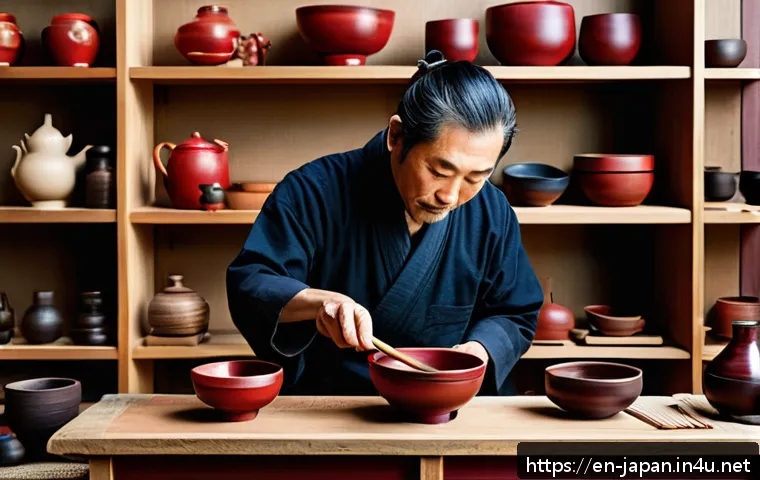
Exploring tanka, I was struck by its musicality and emotional depth, often hiding profound feelings beneath simple words. Contrasting this, contemporary poets embrace freer forms and diverse subjects, reflecting changing social landscapes.
This evolution illustrates poetry’s ongoing dialogue between tradition and innovation.
The Cultural Role of Poetry in Japanese Society
Poetry in Japan historically played a vital role beyond art—it was a social and cultural practice intertwined with ceremonies, festivals, and communication among the elite.
Even today, poetry remains a cherished form of expression, taught in schools and celebrated in contests. I recall attending a local poetry reading where participants shared verses inspired by seasonal changes and personal reflections, creating a warm communal atmosphere.
This cultural embedding of poetry nurtures a collective appreciation for language’s power to connect people across time and space.
How Poetry Inspires Mindfulness and Creativity
Engaging with Japanese poetry offers a gentle invitation to observe the world with heightened awareness and empathy. The concise, image-rich nature of haiku and tanka encourages readers and writers alike to slow down and savor moments that might otherwise pass unnoticed.
From my own experience, writing poetry in this style became a tool for self-reflection and creative exploration, unlocking fresh perspectives on familiar surroundings.
This practice nurtures mindfulness, reminding us that beauty and meaning often reside in the simplest details.
Embracing Simplicity: Lessons from Traditional Aesthetics
The Art of Less: Minimalism in Japanese Culture
Japanese traditional arts embody a principle of minimalism that extends beyond visual appeal to a broader philosophy of life. This emphasis on simplicity encourages stripping away excess to reveal essence, a concept that resonated with me deeply.
In a world where complexity often overwhelms, experiencing this aesthetic felt like a breath of fresh air—spaces and artworks designed to evoke calmness and clarity.
Applying this mindset to daily life can inspire more intentional living, focusing on what truly matters rather than accumulating distractions.
Nature as a Central Muse
Nature’s presence is constant in Japanese art and poetry, not merely as a backdrop but as a living, breathing character. Observing this, I realized how nature serves as a mirror for human emotions and philosophical reflections.
Whether it’s the fleeting beauty of cherry blossoms or the steady flow of a mountain stream, natural elements symbolize cycles of life, renewal, and impermanence.
This deep reverence invites us to reconnect with the environment, fostering a sense of respect and stewardship that feels particularly urgent today.
Balancing Tradition with Contemporary Life
While rooted in history, traditional Japanese aesthetics continue to influence modern design, architecture, and lifestyle choices globally. From minimalist interiors to mindful gardening and slow living movements, these principles offer practical tools for coping with today’s fast pace.
Personally, adopting elements like uncluttered spaces and seasonal awareness has helped me cultivate more balance and presence. This blending of old and new creates a dynamic cultural dialogue, proving that tradition need not be static but can inspire fresh ways of living.
Summary of Key Elements in Japanese Traditional Arts and Poetry
| Artistic Element | Characteristics | Emotional Impact | Modern Relevance |
|---|---|---|---|
| Sumi-e Painting | Minimal brushstrokes, monochrome ink, subtle color accents | Calm, introspection, mindfulness | Mindful art practice, meditation |
| Haiku Poetry | 3 lines, seasonal references, vivid imagery | Momentary beauty, impermanence, connection to nature | Accessible poetry, mindfulness, creative expression |
| Calligraphy (Shodo) | Expressive brushwork, balance of form and spirit | Personal expression, meditation, discipline | Artistic self-expression, cultural heritage preservation |
| Traditional Crafts | Handmade techniques, wabi-sabi aesthetics | Authenticity, acceptance of imperfection | Sustainable consumption, cultural continuity |
| Classical Poetry (Tanka) | 31 syllables, emotional depth, courtly elegance | Refined beauty, emotional subtlety | Historical appreciation, literary education |
Finding Stillness Through Ritual and Practice
The Role of Ceremony in Artistic Expression
Many traditional Japanese arts are closely linked to ceremonial contexts, where the act of creation becomes a ritual imbued with meaning. Tea ceremonies, ikebana flower arranging, and calligraphy sessions often follow precise, deliberate sequences that emphasize mindfulness and respect.
Participating in or witnessing these rituals, I felt a profound sense of connection not only to the art itself but to a lineage of practitioners who valued presence and intention.
This ritualistic aspect transforms art from a mere object into a lived experience that nourishes body and soul.
Learning Patience and Presence
Engaging with traditional arts teaches patience—a virtue increasingly scarce in our fast-paced world. Whether waiting for ink to dry, perfecting a single brushstroke, or composing a poem that captures fleeting emotion, the process demands slowing down and embracing imperfection.
Through my own attempts, I realized how these practices cultivate presence and acceptance, offering a counterbalance to our habitual rush. This slow, mindful approach encourages deeper appreciation of both art and life’s subtle moments.
Community and Continuity
Traditional arts also foster a sense of community, connecting learners, masters, and enthusiasts across generations. I’ve witnessed how workshops and local gatherings create spaces for sharing knowledge, stories, and inspiration.
This communal dimension not only sustains the arts but enriches participants’ lives with belonging and cultural pride. In a fragmented modern world, such connections are invaluable, reminding us that art is as much about people as it is about objects or words.
In Conclusion
Exploring traditional Japanese arts reveals a profound harmony between simplicity, mindfulness, and cultural expression. These practices invite us to slow down, appreciate imperfection, and find deeper connections with nature and ourselves. Embracing such art forms enriches our daily lives, offering moments of calm and meaningful reflection amidst modern chaos.
Useful Information to Know
1. Traditional Japanese arts like sumi-e and calligraphy are not just creative outlets but also meditative practices that promote mindfulness and presence.
2. Seasonal elements play a crucial role in haiku poetry, enhancing emotional depth and connecting readers to the natural world.
3. The philosophy of wabi-sabi encourages embracing imperfection, which can inspire a healthier, more authentic approach to life and art.
4. Supporting artisans who preserve traditional crafts fosters cultural continuity and encourages sustainable, ethical consumption.
5. Participating in or observing ritualistic art practices strengthens community bonds and nurtures a shared sense of cultural heritage.
Key Takeaways
Traditional Japanese arts emphasize intentionality, simplicity, and connection—values that resonate strongly in today’s fast-paced world. Through mindful engagement with these forms, we learn patience, acceptance, and the beauty of impermanence. Whether through painting, poetry, or craftsmanship, these practices offer pathways to deeper self-awareness and cultural appreciation, reminding us that art is a living dialogue between past and present.
Frequently Asked Questions (FAQ) 📖
Q: How can traditional Japanese arts like sumi-e painting help with mindfulness?
A: Sumi-e painting emphasizes simplicity and the flow of brushstrokes, encouraging you to be fully present in the moment. When you engage in this art form, you focus on each deliberate movement, which naturally quiets the mind and reduces stress.
From my own experience, spending just a few minutes practicing sumi-e can feel like a mini meditation session, helping you reconnect with your inner calm amid a hectic day.
Q: What makes haiku poetry unique in expressing nature and emotions?
A: Haiku’s charm lies in its brevity—just 17 syllables capturing a vivid moment or feeling. It distills complex emotions and observations into simple, elegant lines that evoke deep imagery.
I’ve found that writing or reading haiku sharpens your awareness of small details in nature and life, making everyday scenes feel more profound and connected to a larger story.
Q: Why is there a growing global interest in Japanese traditional arts and poetry today?
A: In a fast-paced digital world, people crave authenticity and ways to slow down. Japanese traditional arts offer a timeless approach to creativity and reflection that resonates universally.
Many have shared with me how these practices provide not only artistic inspiration but also a meaningful way to honor history and nature, which feels especially valuable in our modern lifestyle.