Japan’s rich cultural tapestry is woven with powerful symbols that tell stories beyond words. From the iconic Rising Sun flag to the stirring notes of its national anthem, these emblems hold deep historical and emotional significance.
In a world increasingly curious about cultural identity and heritage, understanding these symbols offers a fascinating glimpse into Japan’s soul. Whether you’re a traveler, history buff, or just curious, exploring these national icons reveals layers of meaning that connect past and present.
Let’s dive into the origins and significance behind Japan’s most recognized national symbols and see why they continue to resonate so strongly today.
The Symbolism Behind Japan’s Emblematic Flag
The Origin of the Rising Sun Design
The Rising Sun flag, with its radiant red circle and extending rays, is one of Japan’s most instantly recognizable symbols. Its origins trace back centuries, deeply embedded in Japanese mythology and history.
The red circle represents the sun itself, a nod to Japan’s nickname as the “Land of the Rising Sun.” This imagery reflects the country’s eastern position relative to the Asian continent, where the sun first appears each day.
Historically, this flag was used by samurai warriors and later became an emblem of the Imperial Japanese Navy. Its design evokes a sense of power, vitality, and hope—qualities the nation has long associated with the rising sun.
However, its use today is nuanced, carrying different meanings depending on context, sometimes stirring complex emotions due to its wartime associations.
Contemporary Interpretations and Controversies
In modern Japan, the Rising Sun flag is often seen at festivals, sporting events, and celebrations, symbolizing tradition and national pride. Yet, for many outside Japan, especially in countries affected by Japan’s militaristic past, the flag can evoke memories of conflict and imperialism.
This duality makes it a potent symbol, balancing between cultural heritage and historical sensitivity. Understanding this layered significance requires appreciating Japan’s efforts to honor its past while fostering peaceful international relationships.
It’s a reminder of how symbols evolve and the power they hold to communicate complex stories without words.
The Flag’s Role in Daily Life and Official Use
While the Rising Sun flag is widely recognized, the official national flag of Japan is the simple white banner with a central red disc, known as the Nisshoki or Hinomaru.
This flag is flown on government buildings, schools, and during national holidays. The Hinomaru’s minimalist design reflects a deep cultural appreciation for simplicity and harmony.
Personally, when I first saw the Hinomaru at a Japanese shrine, I was struck by how such a straightforward image could feel so profound and unifying. It embodies a quiet strength, a peaceful identity that contrasts with the more assertive Rising Sun flag.
Both flags coexist in Japanese society, each telling a different part of the story.
The Resonance of Japan’s National Anthem
The Origins and Ancient Roots of “Kimigayo”
Japan’s national anthem, “Kimigayo,” is one of the shortest anthems in the world, yet it carries immense historical weight. Its lyrics are derived from a waka poem written over a thousand years ago during the Heian period.
The song prays for the longevity and prosperity of the emperor’s reign, reflecting the country’s deep-rooted respect for the imperial institution. Unlike many national anthems that celebrate land or people, “Kimigayo” focuses on the continuity and stability of leadership, which is a distinctive cultural perspective.
When I first heard “Kimigayo” performed live, the solemnity and reverence embedded in those few lines struck me profoundly, highlighting Japan’s unique blend of tradition and formality.
TheMusical Composition and Its Emotional Impact
The melody of “Kimigayo” is simple yet haunting, composed in a pentatonic scale that evokes a sense of calm dignity. It’s traditionally performed at state ceremonies, sporting events, and school functions, often stirring a collective feeling of pride and unity.
The anthem’s brevity allows for a moment of reflection rather than grandiose display, which is quite different from the anthems of many Western nations.
From personal experience attending a Japanese graduation ceremony, the anthem felt less like a show of patriotism and more like a respectful nod to heritage and continuity.
This emotional subtlety is part of what makes “Kimigayo” deeply moving for Japanese people.
Public Perception and Modern Usage
Despite its historical importance, “Kimigayo” has sometimes been the subject of debate within Japan, particularly regarding its association with imperialism and nationalism.
Some schools and organizations have grappled with how to approach the anthem in ways that respect individual beliefs while honoring tradition. Yet, for many Japanese citizens, it remains a cherished symbol that connects generations through a shared cultural narrative.
This ongoing dialogue reflects Japan’s broader balancing act between honoring tradition and embracing modern values—a theme that runs through many of its national symbols.
Nature and Mythology in Japan’s Iconography
The Sacred Role of the Chrysanthemum
The chrysanthemum flower holds a special place in Japan’s national symbolism as the Imperial Seal, often seen on passports, government documents, and official emblems.
This flower symbolizes longevity and rejuvenation, qualities highly valued in Japanese culture. Historically reserved for the emperor and imperial family, the chrysanthemum’s intricate design reflects refinement and authority.
When I first noticed the chrysanthemum motif on a Japanese banknote, it struck me how seamlessly nature and governance intertwine in Japan’s visual language.
The flower’s presence across various official contexts reinforces a connection to the natural world and the enduring legacy of the imperial line.
Mount Fuji as a Cultural Icon
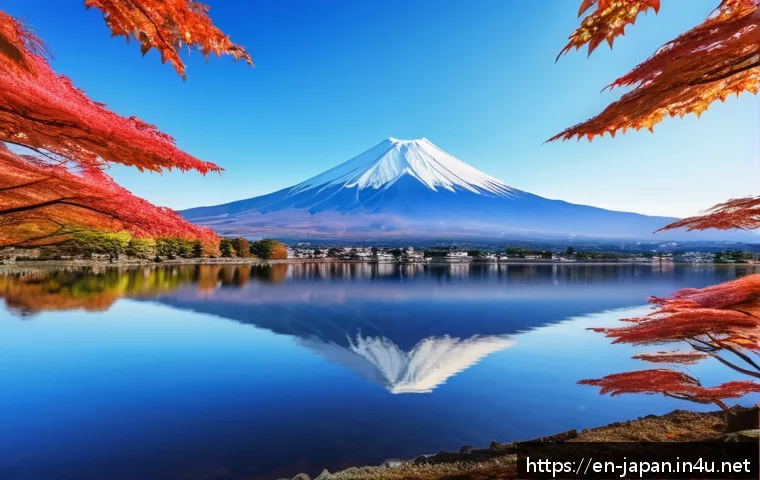
Mount Fuji, Japan’s tallest peak, is more than just a geographic landmark—it’s a powerful national symbol imbued with spiritual meaning. Revered as a sacred mountain, it has inspired countless works of art, poetry, and religious devotion.
Its symmetrical snow-capped peak is instantly recognizable and often used to represent Japan in global media. For travelers like myself, seeing Mount Fuji up close is a breathtaking experience that connects you to the country’s natural beauty and cultural depth.
The mountain symbolizes endurance and harmony between humans and nature, embodying ideals central to Japanese identity.
The Influence of Traditional Mythology

Japan’s national symbols are also steeped in Shinto mythology, which emphasizes the sacredness of natural phenomena and ancestral spirits. Symbols like the sun, the chrysanthemum, and Mount Fuji are not just aesthetic; they carry spiritual significance tied to creation myths and the divine status of the emperor.
Understanding these mythological roots enriches one’s appreciation for Japan’s cultural icons. From my conversations with locals and visits to Shinto shrines, I learned how these stories remain alive in everyday life, influencing festivals, rituals, and even modern national pride.
Historic Milestones Shaping National Identity
The Meiji Restoration’s Impact on Symbolism
The Meiji Restoration in the late 19th century was a pivotal moment that reshaped Japan’s national identity and the use of its symbols. This era marked Japan’s rapid modernization and emergence as a global power, leading to the formal adoption of many national emblems we recognize today.
The government standardized the flag and anthem during this period, linking them to notions of unity and progress. Experiencing museums and historical sites from this era, I felt how these symbols encapsulate a time of transformation, blending tradition with a new national ambition that still resonates.
World War II and the Legacy of Symbols
The use of Japan’s national symbols during World War II has left a complex legacy that continues to influence perceptions today. While these symbols represented national pride and identity for many Japanese at the time, they also became associated with militarism and imperial aggression.
This history adds layers of meaning and sensitivity, especially in international contexts. Reflecting on this, I’ve come to appreciate the importance of historical awareness in interpreting symbols, recognizing that their meanings evolve with the times and perspectives.
Postwar Reinterpretation and Peaceful Identity
After World War II, Japan underwent a profound cultural shift, embracing pacifism and rebuilding its national image. National symbols were reinterpreted to emphasize peace, harmony, and cultural continuity rather than conquest.
This redefinition is evident in how the flag and anthem are used today—celebrated as emblems of a peaceful society and rich heritage. Visiting postwar memorials and cultural centers gave me insight into how Japan reconciles its past with its aspirations for the future, using its symbols as bridges between generations.
Comparing Japan’s National Symbols: Key Elements at a Glance
| Symbol | Visual Description | Historical Origin | Current Meaning | Common Usage |
|---|---|---|---|---|
| Rising Sun Flag | Red sun with 16 rays on white background | Samurai era, Imperial Navy | Tradition, power, controversial wartime associations | Festivals, military, sports events |
| Hinomaru (National Flag) | Simple red circle on white background | Formalized in Meiji era | Unity, simplicity, national identity | Government buildings, schools, official ceremonies |
| Kimigayo (National Anthem) | Short lyrical poem set to solemn melody | Heian period waka poem | Imperial longevity, respect, tradition | State events, graduations, sports |
| Chrysanthemum Seal | Stylized 16-petal chrysanthemum flower | Imperial family emblem | Longevity, authority, refinement | Passports, official documents, imperial artifacts |
| Mount Fuji | Symmetrical snow-capped mountain | Ancient sacred mountain, mythology | Endurance, natural beauty, spirituality | Art, tourism, cultural symbol |
The Enduring Power of Visual and Auditory Symbols
How Symbols Shape National Consciousness
Japan’s national symbols function not just as identifiers but as living vessels of collective memory and identity. They serve to unite people across generations, offering a shared language that transcends spoken words.
From personal encounters with local traditions to witnessing national celebrations, these symbols evoke a profound sense of belonging and continuity. For me, seeing the flag raised or hearing the anthem sung creates an emotional connection that goes beyond mere patriotism—it’s about honoring a story much larger than oneself.
The Role of Education and Public Awareness
In Japan, education plays a crucial role in passing down the significance of national symbols. Schools teach not only the technical aspects but also the cultural and historical contexts, fostering a respectful understanding among young people.
This approach helps maintain the relevance and dignity of these symbols in a rapidly changing world. When visiting classrooms or cultural centers, I noticed how this emphasis on education nurtures a thoughtful appreciation rather than blind nationalism, encouraging critical reflection alongside pride.
Global Perspectives and Cultural Exchange
As Japan continues to engage with the global community, its national symbols become points of cultural exchange and dialogue. Tourists, scholars, and international friends encounter these emblems with curiosity and sometimes misunderstanding.
Sharing the stories behind the flag, anthem, and other icons helps build bridges of empathy and respect. From my experience traveling in Japan and discussing these symbols with foreigners, I’ve seen how open conversations can transform perceptions, highlighting the importance of context and nuance in appreciating national identity.
Conclusion
Japan’s national symbols carry deep historical and cultural meanings that continue to shape its identity today. They reflect a unique blend of tradition, spirituality, and modern values, offering insight into the nation’s journey. Experiencing these symbols firsthand reveals the emotional and unifying power they hold for Japanese people. Understanding their complexities helps foster greater respect and appreciation for Japan’s rich heritage.
Useful Information to Know
1. The Rising Sun flag, while symbolizing tradition and vitality, can evoke mixed feelings due to its wartime history.
2. The Hinomaru, Japan’s official national flag, emphasizes simplicity and unity, widely used in government and public ceremonies.
3. “Kimigayo,” Japan’s national anthem, is one of the world’s shortest but carries profound respect for imperial continuity.
4. The chrysanthemum flower symbolizes longevity and authority, closely linked to the imperial family’s heritage.
5. Mount Fuji stands as a spiritual and cultural icon, representing endurance and the harmony between nature and humanity.
Key Takeaways
Japan’s national symbols are more than mere images or sounds; they are living expressions of the country’s history, values, and identity. Their meanings have evolved through periods of change, reflecting both pride and reflection. Recognizing the layered significance behind these symbols encourages a balanced view that honors tradition while embracing peace and progress. For anyone interested in Japanese culture, these emblems offer a meaningful window into the nation’s soul.
Frequently Asked Questions (FAQ) 📖
Q: What is the historical significance of Japan’s Rising Sun flag?
A: The Rising Sun flag, with its bold red sun and radiating rays, dates back centuries and has been a powerful symbol of Japan’s identity. Originally used by samurai and military forces, it represents energy, vitality, and a new beginning.
While it evokes national pride for many Japanese people, the flag’s association with Japan’s imperial past and wartime actions has sparked controversy in some neighboring countries.
Understanding its dual role—as both a cultural emblem and a historical symbol—helps appreciate the complexity behind its presence today.
Q: Why is Japan’s national anthem considered emotionally powerful?
A: Japan’s national anthem, “Kimigayo,” stands out for its poetic brevity and profound meaning. Its lyrics wish for the emperor’s reign to last eternally, symbolizing longevity and peace.
Unlike many anthems that feature grandiose or martial themes, “Kimigayo” is subtle and reflective, drawing from ancient poetry. When listening to it, you can feel a deep connection to Japan’s history and tradition, which explains why it resonates emotionally with many Japanese people, especially during ceremonies and national events.
Q: How do these symbols influence Japan’s cultural identity today?
A: Japan’s national symbols like the Rising Sun flag and “Kimigayo” anthem play a significant role in shaping modern cultural identity. They serve as daily reminders of the country’s rich heritage and values, appearing in festivals, official ceremonies, and international events.
For travelers and locals alike, these symbols foster a sense of unity and pride. However, their interpretation can vary widely depending on historical perspectives and personal experiences, making them both unifying icons and subjects of thoughtful reflection in today’s globalized world.