As interest in Japan’s rich cultural heritage continues to grow worldwide, understanding the intricate relationship between Shinto and Buddhism offers fresh insights into the country’s spiritual fabric.
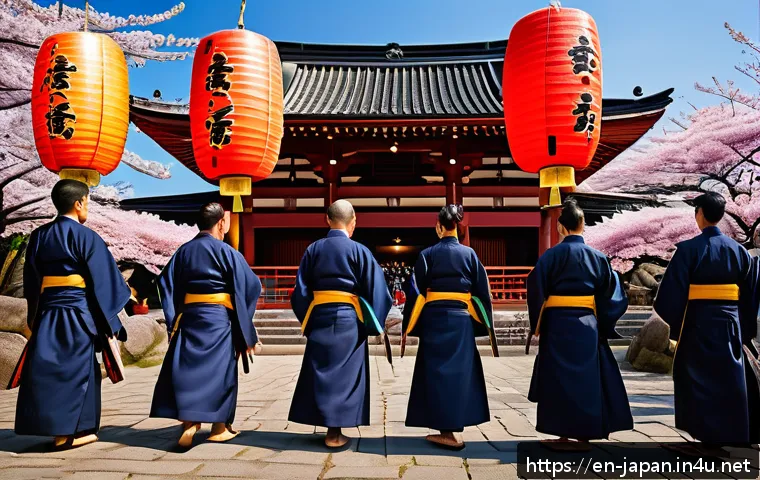
These two traditions, often seen as distinct, actually weave together in fascinating ways that shape everyday life and festivals across Japan. Lately, with more travelers seeking authentic experiences, exploring how Shinto’s nature reverence harmonizes with Buddhism’s contemplative teachings becomes even more relevant.
Join me as we dive into this unique blend of harmony and contrast that defines Japan’s spiritual landscape, revealing stories and practices that you won’t want to miss.
Whether you’re planning a trip or simply curious, this exploration promises to deepen your appreciation of Japan’s timeless spirituality.
Harmony of the Sacred and the Serene
Interwoven Beliefs in Daily Life
Japan’s spiritual landscape is a seamless blend where reverence for nature meets introspective wisdom. Walking through any local neighborhood, you’ll notice small shrines nestled amid the urban bustle, their presence quietly shaping daily routines.
People stop by these sacred spaces to offer prayers for health, success, or safe travels, reflecting a deep-rooted respect for the divine forces believed to inhabit natural elements.
At the same time, Buddhist temples often stand nearby, offering a place for contemplation, rituals of remembrance, and guidance on the impermanence of life.
This coexistence isn’t just physical proximity but a lived experience where the practical meets the philosophical, creating a unique rhythm in everyday Japanese life.
Festivals as Living Testaments
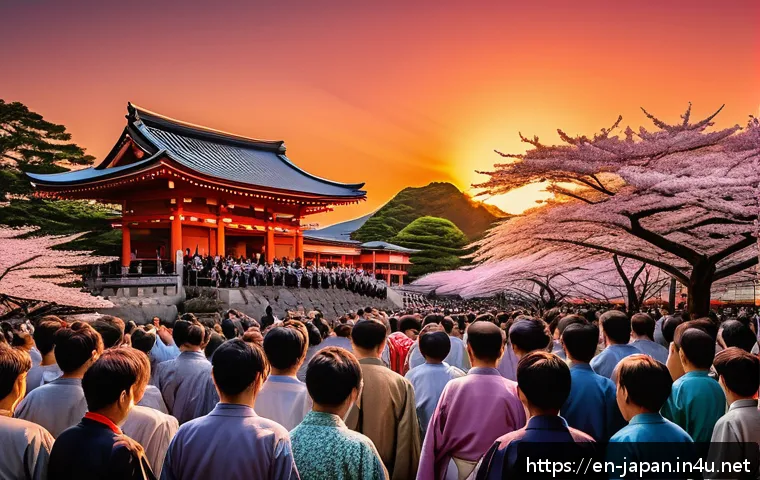
When it comes to festivals, the fusion of these traditions becomes even more vivid. Take the iconic cherry blossom season: while it celebrates nature’s beauty, it also carries Buddhist undertones of transience and renewal.
Shinto rituals may invoke blessings from kami (spirits) for a good harvest or community prosperity, while Buddhist ceremonies often focus on honoring ancestors and reflecting on life’s cycles.
This dual celebration creates an atmosphere where joy and solemnity coexist, inviting participants into a deeper connection with both the world around them and their inner selves.
Experiencing these festivals firsthand reveals how intertwined these spiritual paths are, enriching the cultural fabric with layers of meaning.
Shared Symbols and Ritual Practices
Although they stem from different origins, many symbols and practices overlap, revealing a shared language of spirituality. For instance, purification rituals—whether washing hands at a shrine’s temizuya basin or performing incense offerings at a temple—serve similar purposes of cleansing body and mind.
The use of sacred ropes (shimenawa) and paper streamers (shide) in Shinto to mark holy spaces finds a quiet echo in Buddhist mandalas and statues that guide meditation.
These shared elements demonstrate how the two traditions have adapted and influenced each other over centuries, offering worshippers diverse yet complementary ways to engage with the sacred.
Nature as a Living Sanctuary
Spiritual Significance of Natural Elements
In Japan, the natural world isn’t just a backdrop; it’s a vital part of spiritual practice. Mountains, rivers, trees, and even rocks are often considered sacred, embodying the presence of kami.
This deep ecological reverence encourages a harmonious relationship with the environment, urging people to protect and honor nature’s cycles. Unlike some belief systems that separate the divine from the natural, this approach fosters a continuous dialogue where spirituality and ecology blend seamlessly.
Visitors often remark on how this respect for nature permeates not only religious sites but also everyday interactions, from garden design to seasonal celebrations.
Seasonal Rhythms and Spiritual Reflection
The changing seasons are celebrated with a keen spiritual awareness. Each season’s unique characteristics inspire specific rituals and festivals, reflecting an intimate understanding of nature’s ebb and flow.
Spring’s renewal, summer’s vitality, autumn’s harvest, and winter’s quiet dormancy offer opportunities for reflection, gratitude, and preparation for new beginnings.
This cyclical observance encourages mindfulness and acceptance, traits emphasized in both spiritual traditions. For travelers, witnessing these seasonal events provides a window into how deeply these rhythms influence Japanese culture and spirituality.
Nature’s Role in Meditation and Mindfulness
Buddhist contemplative practices in Japan often draw heavily on natural imagery and settings. Temples are frequently situated in tranquil forests or on mountainsides, creating environments conducive to meditation and introspection.
This immersion in nature supports the Buddhist pursuit of inner peace and enlightenment, while Shinto’s celebration of natural phenomena nurtures a sense of awe and connection.
The synergy between these perspectives enhances spiritual practice, offering multiple pathways to experience presence and harmony.
Paths of Life and Afterlife
Rituals Marking Life’s Milestones
From birth to death, Japanese spiritual customs weave together rites from both traditions to mark important transitions. Naming ceremonies may involve prayers at a local shrine to invite protective spirits, while funerals often incorporate Buddhist rituals aimed at guiding the soul’s journey beyond this world.
Weddings might blend Shinto blessings with Buddhist chants, reflecting the wish for harmony and longevity. These practices highlight a pragmatic spirituality that addresses life’s practical and metaphysical needs, offering comfort and continuity through shared community participation.
Concepts of Death and Ancestor Veneration
Buddhist teachings deeply influence Japanese views on death, emphasizing impermanence and the cycle of rebirth. Ancestor veneration, a practice embraced in both traditions, fosters ongoing relationships with those who have passed.
Families maintain altars with offerings, and annual festivals like Obon invite spirits back to the world of the living. This dynamic interplay of remembrance and renewal strengthens communal bonds and personal identity, underscoring how spirituality permeates familial and social life.
Healing and Spiritual Well-being
Healing practices often draw on both spiritual traditions, combining rituals, prayers, and meditation to address physical and emotional needs. Shinto purification rites cleanse spiritual impurities, while Buddhist meditation and chanting soothe the mind.
Many shrines and temples also offer talismans or amulets believed to protect health and fortune. Experiencing these rituals firsthand can be profoundly moving, revealing a holistic approach to well-being that integrates body, mind, and spirit.
Architectural Echoes of Belief
Design Elements Reflecting Spiritual Ideals
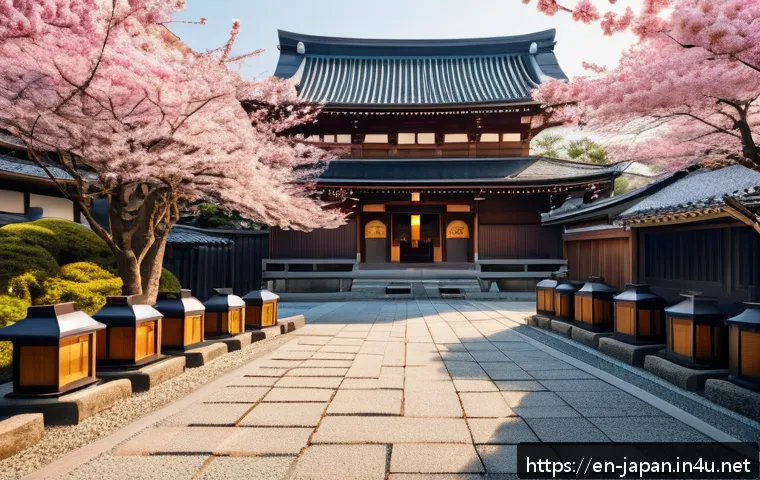
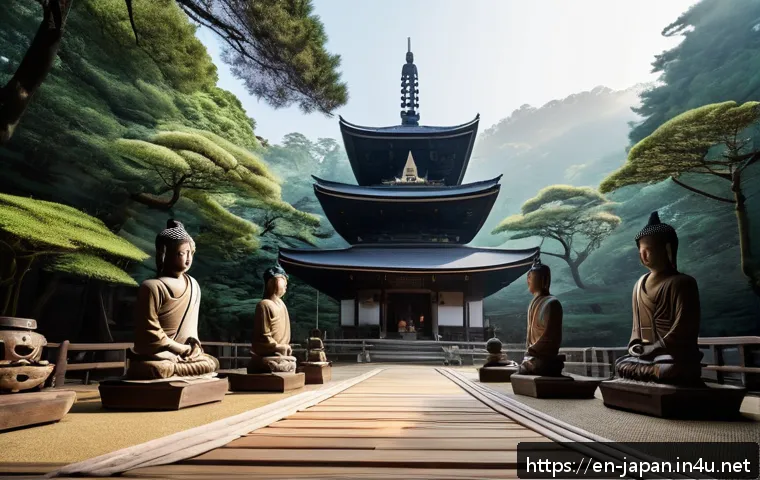
The architectural styles of shrines and temples visually narrate the spiritual principles they embody. Shinto shrines often feature natural materials like wood and stone, designed to harmonize with their surroundings, symbolizing purity and simplicity.
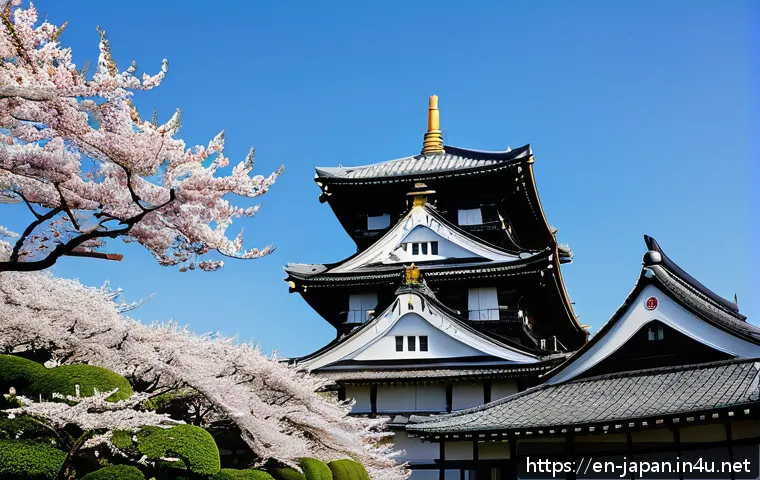
In contrast, Buddhist temples may showcase intricate carvings, statues, and pagodas, representing complex cosmologies and teachings. Walking through these sacred spaces offers more than aesthetic pleasure—it invites visitors to step into a living story of faith, artistry, and cultural identity.
Spatial Layout and Symbolism
The arrangement of buildings and gardens follows symbolic patterns that guide spiritual experience. For example, torii gates at shrine entrances mark the transition from the mundane to the sacred, while temple grounds often include meditation halls, bell towers, and carefully curated gardens that reflect Buddhist philosophies.
This thoughtful design encourages visitors to move mindfully, gradually entering deeper states of reflection or prayer. It’s like a physical journey mirroring an inner one, crafted over centuries to nurture spiritual growth.
Modern Adaptations and Preservation
Contemporary Japan balances preserving these ancient architectural treasures with adapting to modern needs. Many shrines and temples actively engage in restoration projects, blending traditional techniques with new technology to protect structures from natural disasters.
Simultaneously, they serve as community centers, hosting cultural events and educational programs that keep traditions alive. This dynamic relationship between past and present enriches the visitor experience, offering insights into how spiritual heritage continues to evolve.
Celebrations That Bridge Time and Tradition
Annual Festivals and Their Spiritual Layers
Japan’s calendar is dotted with festivals that showcase the intricate dance between ancient customs and contemporary life. Events like Gion Matsuri or Tanabata incorporate rituals honoring both kami and Buddhist figures, blending mythology, seasonal changes, and community spirit.
These festivals are not just spectacles but deeply meaningful occasions where participants actively engage in preserving and renewing their cultural and spiritual identities.
Personal Pilgrimages and Communal Journeys
Pilgrimage routes like the Kumano Kodo or Shikoku’s 88 Temple Circuit offer immersive ways to experience the spiritual blend firsthand. Walking these paths, travelers encounter shrines and temples that tell stories of devotion, endurance, and transformation.
These journeys foster a sense of connection—to nature, to history, and to oneself—providing a powerful context for reflection and renewal. The physical challenge combined with spiritual intention makes these pilgrimages uniquely memorable.
Food, Music, and Art as Spiritual Expression
Traditional foods served during festivals often carry symbolic meanings tied to spiritual beliefs, such as rice cakes for prosperity or sake for purification.
Music and dance performances, too, are imbued with ritual significance, inviting participants to enter a state of joyful reverence. Artistic expressions—whether calligraphy, ikebana flower arranging, or Noh theater—often explore themes of impermanence, harmony, and the divine.
Together, these cultural forms create a rich sensory tapestry that brings spirituality to life in vibrant, accessible ways.
Summary Table of Key Spiritual Elements
| Aspect | Nature Reverence | Philosophical Teachings | Ritual Examples | Symbolism |
|---|---|---|---|---|
| Shinto Influence | Worship of kami in natural objects like trees, rivers, mountains | Focus on purity, harmony with nature | Purification rites, offerings at shrines, seasonal festivals | Torii gates, shimenawa ropes, sacred trees |
| Buddhist Influence | Use of natural settings for meditation and temples | Impermanence, mindfulness, compassion | Chanting, meditation, funerary rites, ancestor veneration | Lotus flowers, mandalas, statues of Buddha |
| Shared Elements | Respect and care for environment | Reflection on life’s cycles and balance | Purification rituals, festivals blending both traditions | Use of incense, sacred spaces marked by symbolic objects |
Conclusion
Japan’s spiritual traditions offer a profound blend of sacred reverence and serene reflection that enrich everyday life. The harmonious coexistence of Shinto and Buddhist beliefs creates a unique cultural rhythm, inviting both joy and contemplation. Experiencing these practices firsthand reveals a deep respect for nature, community, and the cycles of life. This spiritual tapestry continues to evolve, connecting past wisdom with present-day meaning.
Useful Information to Know
1. Many Japanese neighborhoods feature small Shinto shrines and Buddhist temples side by side, reflecting everyday spiritual engagement.
2. Seasonal festivals often combine Shinto rituals and Buddhist ceremonies, celebrating both nature’s beauty and life’s impermanence.
3. Common rituals like purification and offerings highlight shared spiritual language across traditions.
4. Natural elements such as mountains and rivers are revered as sacred, fostering environmental respect and mindfulness.
5. Pilgrimages and cultural events provide immersive opportunities to connect with Japan’s rich spiritual heritage.
Key Takeaways
The spiritual life in Japan is a dynamic fusion of Shinto and Buddhism, where nature worship, philosophical reflection, and ritual practices intertwine. This blend supports a holistic approach to life’s milestones, healing, and community bonding. Architectural designs and festivals serve as living expressions of these beliefs, bridging tradition with contemporary life. Understanding this harmony offers valuable insights into how spirituality shapes Japanese culture at every level.
Frequently Asked Questions (FAQ) 📖
Q: How do Shinto and Buddhism coexist in Japanese daily life without conflict?
A: In Japan, Shinto and Buddhism have developed a complementary relationship rather than a conflicting one. Most Japanese people seamlessly incorporate both traditions into their lives—visiting Shinto shrines for life events like births and weddings, while turning to Buddhist temples for funerals and ancestor memorials.
This harmony is rooted in history, where Buddhism was introduced and gradually adapted to existing Shinto beliefs. So, rather than choosing one over the other, people embrace both, reflecting a spiritual flexibility that shapes festivals, rituals, and personal practices throughout Japan.
Q: What are some examples of festivals or practices that blend Shinto and Buddhist elements?
A: Many Japanese festivals showcase this unique fusion. For instance, Obon, a Buddhist festival honoring ancestral spirits, often includes visits to Shinto shrines where people pray for the protection of their families.
Similarly, traditional New Year celebrations involve Shinto rituals for purification and blessings, while Buddhist chants may also be performed. Another example is the practice of “Shinbutsu-shūgō,” where Buddhist statues and Shinto kami (deities) coexist in the same sacred spaces.
These blended practices highlight the fluid spiritual landscape in Japan, making festivals deeply meaningful and culturally rich.
Q: Why is understanding the interplay between Shinto and Buddhism important for travelers visiting Japan?
A: For travelers seeking authentic experiences, grasping how Shinto and Buddhism intertwine enhances cultural appreciation and respect. It helps visitors understand the significance behind temple and shrine visits, the meaning of rituals, and the spiritual atmosphere that permeates many historical sites.
This knowledge also prevents misunderstandings—such as mistakenly treating Shinto shrines like Buddhist temples or vice versa. Ultimately, exploring this duality enriches your journey, allowing you to connect more deeply with Japan’s heritage and the everyday spirituality that locals cherish.