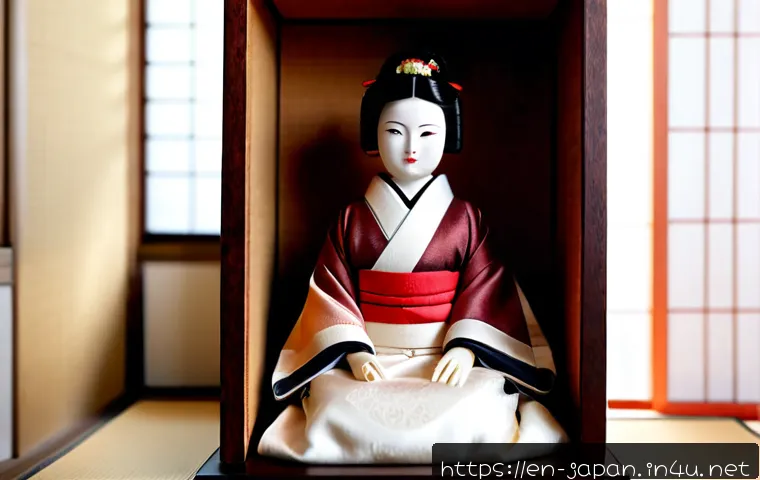
Before buying a doll described as “Hako hana,” confirm its identity, condition, and full landed cost rather than relying on the asking price. The term may be a spelling variation, a seller-specific label, or a name that needs confirmation from a Japanese-language source.
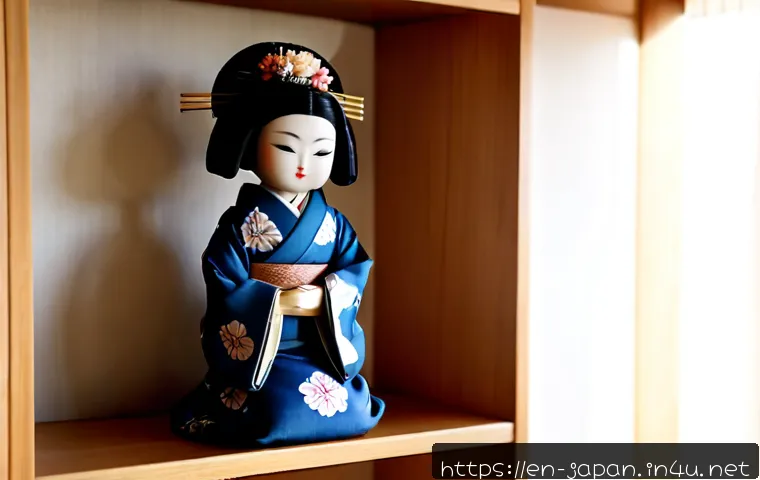
For a gift, home display, or collection, clear photos and documented details are usually more useful than an unverified age claim. Antique, vintage, reproduction, and contemporary handmade dolls can all be worthwhile choices when their condition and presentation match your purpose.
A reputable specialty retailer, qualified appraiser, or museum-related reference can be helpful when the listing leaves important questions unanswered.
Consider insured shipping, return limits, display protection, and possible import charges before you commit.
At a Glance
- Identity comes first: “Hako hana” is not enough to establish a recognized doll type, maker, period, or rarity without further confirmation.
- Condition affects suitability: Fading, stains, insect damage, loose hair, cracks, and missing accessories may matter more than a low sticker price.
- Total cost matters: Include specialist packing, insured shipping, possible duties, returns, restoration, and display protection in your comparison.
| Option | Best for | What to Verify | Main Caution |
|---|---|---|---|
| Antique or vintage doll | Collectors seeking historical character | Provenance, maker marks, original box, accessories, restoration history | Age claims and visible wear do not prove value |
| Reproduction doll | Traditional-style display with fewer age-related concerns | Materials, workmanship, seller description, completeness | Do not present it as an antique without documentation |
| Contemporary handmade doll | Gifts, décor, and buyers who value current artisan work | Maker information, materials, care instructions, safe packaging | Handmade does not automatically mean rare or investment-grade |
What to Confirm Before Calling a Japanese Doll “Hako hana”
The first step is simple: treat the name as a research lead, not proof of authenticity. The term “Hako hana” may be a spelling variation, a seller-created description, a regional reference, or a term that requires confirmation in Japanese. A listing title alone cannot establish a doll’s period, maker, materials, or market value.
Record the Exact Seller Spelling and Any Japanese Characters
Save the exact spelling used by the seller, including spacing, capitalization, and alternate forms. If the listing includes Japanese characters, record them as shown rather than relying only on an automatic translation. Those characters may provide a better starting point for checking a maker name, workshop, doll category, or label.
Ask for Photos of Labels, Seals, Boxes, and Maker Marks
Request clear, close photographs of the doll’s base, back, clothing labels, paper tags, seals, and packaging. An original box, maker mark, or documented provenance can be important for collectible objects. Their absence does not automatically mean a doll is inauthentic, but it should affect how confidently you assess the listing.
Treat Uncertain Naming as a Research Task, Not Proof of Rarity
A vague or unusual name can sound collectible, especially in online marketplaces. Avoid assuming that an unfamiliar phrase means the doll is rare, old, or museum-quality. If the seller cannot explain the name or provide supporting documentation, compare the doll as an unverified decorative or collectible object rather than paying a premium for the label alone.
Compare Antique, Vintage, Reproduction, and Contemporary Handmade Dolls
The best category depends on why you are buying. Condition, craftsmanship, and completeness should be compared alongside age. A well-documented contemporary artisan doll may be a better display choice than an older piece with fragile textiles, loose hair, or unclear restoration.
When Historical Age Adds Value—and When It Adds Restoration Risk
Historical age can be meaningful when it is supported by reliable documentation, maker details, or provenance. It can also bring preservation concerns. Older dolls may have fading, cracked surfaces, weakened fabrics, stains, insect damage, or missing parts that are difficult to judge from a single front-facing photo. Do not assume that an older-looking doll is more valuable than a newer one.
Materials, Craftsmanship, and Completeness to Compare
Look beyond the face and costume. Compare the quality and condition of the hair, clothing layers, accessories, base, and any decorative components. Ask whether items shown in the photographs are included. A doll that appears complete in one image may have unlisted missing accessories or replacement parts. For a collectible gift, a complete presentation may matter more than an uncertain period claim.
A Practical Price-Versus-Condition Comparison Table
| Condition Situation | Practical Buying View | Question to Ask |
|---|---|---|
| Clean, complete, and documented | Suitable for buyers who prioritize verification | Are the box, label, and accessories original to the doll? |
| Attractive but lightly documented | May suit décor buyers if priced as uncertain | Which details are confirmed, and which are seller opinion? |
| Visible wear or missing parts | Consider only if you accept restoration or display limitations | What damage, repairs, or replacements are known? |
Check Condition, Authenticity Clues, and Listing Quality
Online photographs can make a doll look better than it is. Focus on the parts that are often overlooked: close-ups of the face, hands, hairline, seams, base, and underside. A seller who provides detailed images and answers direct questions gives you more material for a careful decision.
Damage That Is Easy to Miss in Online Photographs
Ask about fading, insect damage, loose hair, cracks, stains, and missing accessories. These issues can affect both visual appeal and long-term display suitability. Request photos in natural, even light when possible. Heavy filters, dark backgrounds, and distant images can hide wear rather than clarify it.
Signs a Listing Needs More Documentation Before Purchase
Pause when the description makes broad claims without close photographs or supporting details. Examples include an exact age claim with no source, a maker attribution without a visible mark, or a “rare” label with no explanation. This does not prove a listing is inaccurate; it means the claim remains unverified. For a higher-cost collectible purchase, consider a specialist dealer or qualified appraisal service.
Why Original Accessories and Storage Materials Matter
Original boxes, labels, stands, and accessories can help document how the object was presented or identified. They may also help with storage and safe transport. Still, a box alone is not conclusive proof of authenticity or age. Check whether the box clearly matches the doll and whether the seller identifies any replacement components.
Calculate the Real Cost of Buying and Displaying a Collectible Doll
The listing price is only one part of the decision. For international purchases, the final amount may include packing, insured shipping, import duties, return shipping, and future care. A low initial price can be less attractive if the item cannot be safely shipped or returned.
Item Price, Packing, Insured Shipping, Duties, and Returns
Ask how the doll will be packed and whether the shipping option includes insurance appropriate to the purchase. Confirm who handles loss or damage during transit and review the return policy before payment. Import duties and customs requirements depend on the buyer’s location, so verify those details with the relevant local authority or shipping provider.
Display Cases, Light Protection, Humidity, and Pest Prevention
A display case can help protect a doll from dust and handling. Consider where it will be placed: strong light, unstable humidity, and pests may create risks for textiles, hair, paper labels, and delicate surfaces. Choose a display arrangement that allows you to inspect the doll without unnecessary handling.
When Restoration or an Appraisal May Be Worth the Expense
Restoration may be worth considering when a doll has reliable documentation, meaningful provenance, or a condition issue that affects safe preservation. An appraisal can be useful when you need an informed opinion on identification, condition, or value. Neither service should be assumed necessary for every decorative purchase, but both can be sensible for an important collectible acquisition.
Buying Paths for Gifts, Home Display, and Serious Collecting
Your buying path should match your purpose. A first-time buyer may prioritize clear condition information and a secure display option. A serious collector may place more weight on maker details, provenance, and specialist review.
Best Priorities for a First-Time Buyer
Start with a doll that has good photographs, a complete description, clear condition notes, and realistic shipping terms. Favor a seller who can identify what is included and explain any visible flaws. A contemporary handmade or clearly described reproduction can be easier to evaluate than an undocumented older object.
What Gift Buyers Should Prioritize Over Age Claims
For a gift, prioritize presentation, condition, completeness, and safe delivery. A doll does not need to be antique to be meaningful. Confirm its dimensions, display needs, included accessories, and whether it can be packed securely for delivery.
When Collectors Should Use a Specialist Dealer or Appraisal
Use a specialist dealer, museum-related resource, or qualified appraiser when the seller claims a notable maker, early period, unusual rarity, or significant provenance. This is especially useful when the doll is expensive, fragile, or difficult to identify from photos. Independent review can separate confirmed details from attractive but unsupported listing language.
Selection Criteria and Comparison Summary
Before paying, answer five questions: What exactly is the doll called? Which details are documented? What condition issues are visible or disclosed? What is included? What will the total delivered and protected cost be? Compare specialist retailers by their documentation, condition reporting, packing practices, insured shipping options, and return policies. For a higher-value purchase, review appraisal services and display cases alongside the doll itself; the official details and full terms should be checked on the relevant provider page.
Closing Thoughts
An unfamiliar Japanese doll can still be a thoughtful collectible or décor purchase, but uncertainty should be priced and evaluated honestly. The name “Hako hana” should be confirmed rather than treated as a guarantee of type, age, or rarity. Strong documentation, careful condition review, and safe shipping arrangements are more useful than an appealing title alone. Choose the option that fits your display plans and your comfort with verification.
Useful Things to Know
Keep screenshots: Save the original listing, photographs, condition notes, and seller messages before purchase.
Ask about packing: Delicate hair, textiles, and accessories need more than ordinary parcel protection.
Plan the display first: A protected location may be as important as the doll’s appearance.
Separate facts from claims: A visible maker mark is a fact; an unsupported age estimate is a claim to investigate.
Important Notes
This guide cannot confirm whether “Hako hana” identifies a recognized doll type, specific maker, regional tradition, or misspelling. An individual listing’s authenticity, completeness, material, period, value, shipping safety, return eligibility, and applicable import charges require separate verification. If those points matter to your purchase, seek documentation from the seller and consider specialist review.
Frequently Asked Questions
Q1. Is “Hako hana” a recognized type of traditional Japanese doll?
A1. That cannot be confirmed from the name alone. It may be a spelling variation, seller-specific label, or term that needs checking against a Japanese-language source. Ask for the exact Japanese characters, maker information, labels, and provenance where available.
Q2. How can I tell whether a Japanese doll listing is authentic before buying?
A2. Review clear photographs of labels, seals, maker marks, the base, accessories, and original packaging. Compare confirmed evidence with the seller’s claims, ask about condition and restoration, and use a specialist dealer or qualified appraiser when the purchase requires stronger verification.
Q3. Is it better to buy an antique doll or a modern handmade Japanese doll for display?
A3. It depends on your priorities. An antique or vintage doll may offer historical character but can have condition and restoration risks. A modern handmade doll may be easier to document, ship, and display. Choose based on condition, documentation, completeness, and the protection your display space can provide.