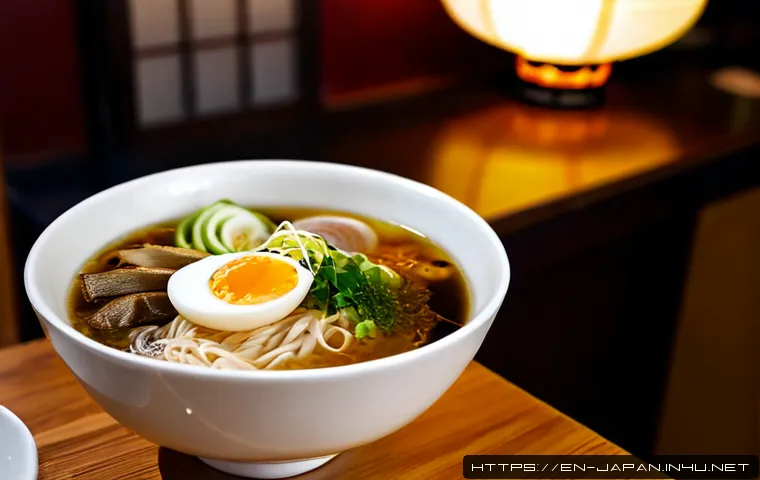
Japan’s best ramen experience depends on more than popularity. Compare regional styles, typical yen budgets, queue policies, reservation options, and travel routes to choose ramen shops that fit your itinerary.
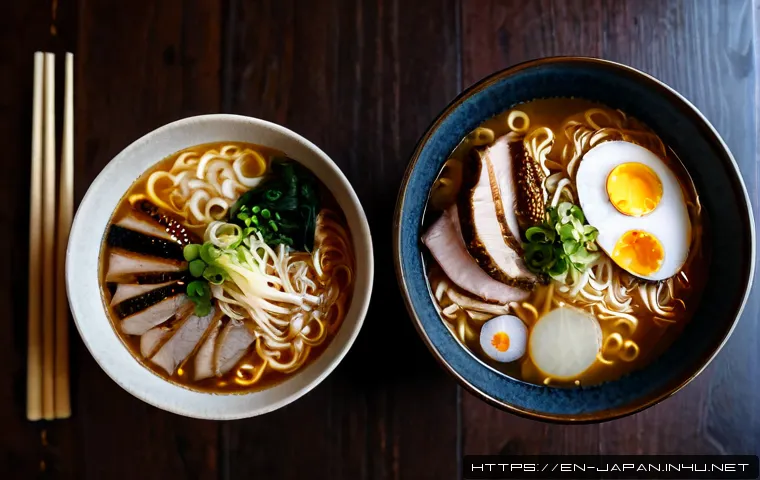
The best ramen shop in Japan is the one that matches your preferred broth, your daily route, and the amount of time you can spend waiting. A famous name can be memorable, but a nearby specialist with the right style may be the better meal.
Start by choosing a ramen style, then compare location, queue rules, and your full yen budget. This approach is especially useful when planning restaurant reservations, food tours, rail travel, or a hotel location around major dining areas.
Popular shops may use ticket machines, cash payments, timed entry, or queue systems. Rules can change quickly, so treat online information as a starting point rather than a guarantee.
Tokyo offers variety, while Fukuoka, Sapporo, Hakata, Yokohama, and Kitakata can make sense for travelers building a regional food itinerary. The goal is not to chase one universal ranking.
It is to choose a ramen stop that works on the day you travel.
At a Glance
- Choose by style first: shoyu, shio, miso, tonkotsu, tsukemen, and chicken-based ramen can feel very different.
- Plan around your route: a good shop near your hotel, station, or sightseeing area may beat a famous shop far away.
- Confirm before going: opening days, sell-out timing, payment methods, queues, and reservation rules may change.
| Ramen Style | Common Destination | Typical Dining Format | Wait-Time Risk | Budget Planning |
|---|---|---|---|---|
| Shoyu | Tokyo and many other cities | Counter-focused specialist shop | Varies by popularity and timing | Bowl plus optional toppings, drinks, and local transit |
| Shio | Tokyo and broader regional areas | Small shop or neighborhood restaurant | Often depends on lunch and dinner peaks | Check the current menu in yen before departure |
| Miso | Sapporo | Regional specialty stop | Higher around major travel periods | Include transport if visiting outside your main route |
| Tonkotsu | Fukuoka and Hakata | Fast casual counter dining | Can rise sharply at well-known shops | Consider toppings and any extra noodle order |
| Tsukemen | Tokyo and Yokohama | Specialist shop with a focused menu | Can be significant at popular locations | Compare the meal cost with the time cost of waiting |
What Makes a Ramen Shop Worth Adding to Your Japan Itinerary?
The Fastest Answer: Choose by Ramen Style, Location, Queue, and Budget
A worthwhile ramen stop has four things in balance: the flavor you want, a convenient location, an acceptable wait, and a realistic total cost. A bowl may look inexpensive at first, but your practical meal budget can also include toppings, drinks, and transit. If the shop requires a long detour, the value of that bowl changes.
Why a Famous Shop Is Not Always the Best Choice for Your Trip
A highly ranked ramen restaurant may be ideal for a traveler whose schedule is flexible and whose broth preference matches the shop’s specialty. It may be less suitable for a family with a timed museum booking, a late-night arrival, or someone who dislikes rich pork-based broth. Popularity is useful information, but it is not a universal answer.
A Quick Comparison for First-Time Ramen Travelers
First-time visitors often do best with a shop near a major station, hotel district, or planned attraction. This reduces transit stress and makes it easier to leave if the queue is longer than expected. For a special meal, compare reservation platforms, timed-entry options, and food tours that include a ramen stop before committing your day.
Compare Japan’s Major Ramen Styles Before Choosing a Restaurant
Shoyu, Shio, Miso, and Tonkotsu: Flavor and Richness Differences
Shoyu ramen is soy sauce-based and commonly found across Japan. Shio ramen is salt-based and can be a good choice for travelers seeking a cleaner-tasting bowl. Miso ramen is strongly associated with Sapporo, while tonkotsu ramen is known for its pork-bone broth and close ties to Fukuoka and Hakata. Each shop may interpret these styles differently, so the shop specialty matters as much as the category.
Tsukemen and Regional Specialties for Repeat Visitors
Tsukemen serves noodles separately from a dipping broth, making it a distinct choice from standard soup ramen. Chicken-based ramen is another style to consider if you prefer a different broth direction. Regional travel also creates opportunities to explore local specialties rather than repeating the same Tokyo-style meal every day.
Cities and Neighborhoods Where Each Style Is Easiest to Find
Tokyo is useful when you want broad variety in one trip. Fukuoka and Hakata are natural choices for tonkotsu-focused travel, while Sapporo suits travelers interested in miso ramen. Yokohama and Kitakata are also important ramen destinations. Choose the city as part of your wider Japan travel plan, not only for one restaurant.
Budget, Queues, and Reservations: What a Ramen Meal Can Really Cost
Estimating the Total in Japanese Yen: Bowl, Toppings, Drinks, and Transit
Before leaving your hotel, look beyond the base bowl price. Your total can include extra toppings, drinks, transport, and the opportunity cost of a long queue. Current menu pricing should be checked directly because prices can change. A ramen stop near your accommodation can be more economical than traveling across the city for a single meal.
When a Long Queue Is Worth the Time—and When It Is Not
A long wait can make sense when ramen is a key part of the day and you have no fixed plans afterward. It is usually a poor fit before a train, tour, reservation, or airport transfer. Set a personal queue limit before you arrive. If the line exceeds it, move to a backup shop in the same neighborhood.
Reservation, Timed-Entry, Food-Tour, and Walk-In Dining Trade-Offs
Some ramen shops operate mainly as walk-ins, while others may use timed entry or other systems. Reservation availability is not universal and must be confirmed for each restaurant. A food tour can suit travelers who want guided choices and less planning friction; independent diners may prefer the freedom of a walk-in neighborhood shop. Check the booking page for current conditions before paying for any dining experience.
How to Avoid Common Ramen Dining Mistakes in Japan
Check Closures, Sell-Out Times, Payment Methods, and Ordering Systems
Popular shops can close on particular days, sell out, or change their operating approach. Many use ticket vending machines, and cash payments are common. Do not assume a foreign card, reservation, or late arrival will be accepted. Confirm the latest official guidance as close to your visit as possible.

Handling Ticket Vending Machines and Limited English Menus
At a ticket-machine shop, decide your main bowl and likely toppings before reaching the front. Look for photos, category labels, or a short menu translation if available. Keep the process simple: choose the house specialty first, then add extras only if you understand what they are. Staff may have limited time during busy service.
Dietary Restrictions, Seating Rules, and Traveling with Children or Luggage
Ramen shops often specialize narrowly, so dietary flexibility cannot be assumed. Ask or verify in advance if you have vegetarian needs, ingredient concerns, or other requirements. Small counter seating may also be difficult for large groups, strollers, or large luggage. Families and groups should prioritize space, timing, and seating comfort over ranking alone.
Choose the Right Ramen Experience for Your Travel Style
Best Approach for a Short Tokyo Stay
For a short Tokyo visit, choose one ramen stop near where you are already staying or sightseeing. Tokyo’s variety means you can select shoyu, shio, tsukemen, tonkotsu, or chicken-based ramen without building the whole day around a distant shop. Keep one backup nearby in case of a closure or excessive queue.
Best Approach for Regional Food-Focused Travel
Travelers building a food itinerary can pair a regional ramen style with the city where it is easiest to explore. Consider Fukuoka or Hakata for tonkotsu and Sapporo for miso, then fit the meal around your rail route and hotel location. Transport planning matters: a convenient station area may make more sense than a restaurant that requires complicated transfers.
Options for Solo Diners, Groups, and Travelers Who Dislike Queues
Solo diners may find counter-service ramen shops especially practical. Groups should look for seating arrangements that work for everyone rather than assuming a small specialist shop can accommodate them. If you dislike queues, eat outside common meal peaks, choose a neighborhood option, or consider a scheduled food experience where the current booking terms suit your plans.
Selection Criteria and Comparison Summary
Use this five-point check before selecting a ramen restaurant: taste preference, itinerary location, total yen budget, queue tolerance, and booking or payment rules. Choose a landmark shop when ramen is the day’s priority; choose a neighborhood favorite when convenience matters; choose a ramen tour when you want structured planning. For reservations, tours, hotel areas, and rail routes, review the official details and current conditions on the relevant booking or transport page.
Final Thoughts
Japan does not have one permanent, universal list of best ramen shops for every traveler. The strongest choice is usually the shop that serves a style you enjoy at a time and location that fit your schedule. Plan the meal as part of your route, not as an isolated ranking chase. A flexible backup option can save an otherwise busy travel day.
Useful Things to Know
1. Bring cash when possible, especially for ticket-machine ordering.
2. Save a backup ramen option near your first choice.
3. Check current opening days and sell-out information shortly before visiting.
4. Keep large luggage and group-size needs in mind when choosing small shops.
Important Notes
Individual menu prices, opening hours, payment options, queue lengths, reservation policies, and dietary accommodations can change. This guide does not identify a current universal ranking or guarantee that a specific ramen shop will match your taste or travel situation. Verify the latest details directly with the restaurant or relevant booking provider.
Frequently Asked Questions
Q1. How much should I budget for a good ramen meal in Japan?
A1. Plan for the bowl itself, optional toppings, drinks, and any transit needed to reach the restaurant. Check current menu prices in Japanese yen directly because prices vary by shop and may change.
Q2. Are reservations necessary for popular ramen shops in Tokyo or Fukuoka?
A2. Not always. Many ramen shops use walk-in queues, ticket machines, or timed-entry systems instead. Reservation availability depends on the individual restaurant, so confirm its current policy before your visit.
Q3. Is it worth waiting in line for a highly ranked ramen restaurant?
A3. It can be worth it if the shop’s style is exactly what you want and your schedule allows time for the wait. If you have fixed plans, limited time, or different flavor preferences, a well-located specialist or neighborhood shop may be the better choice.