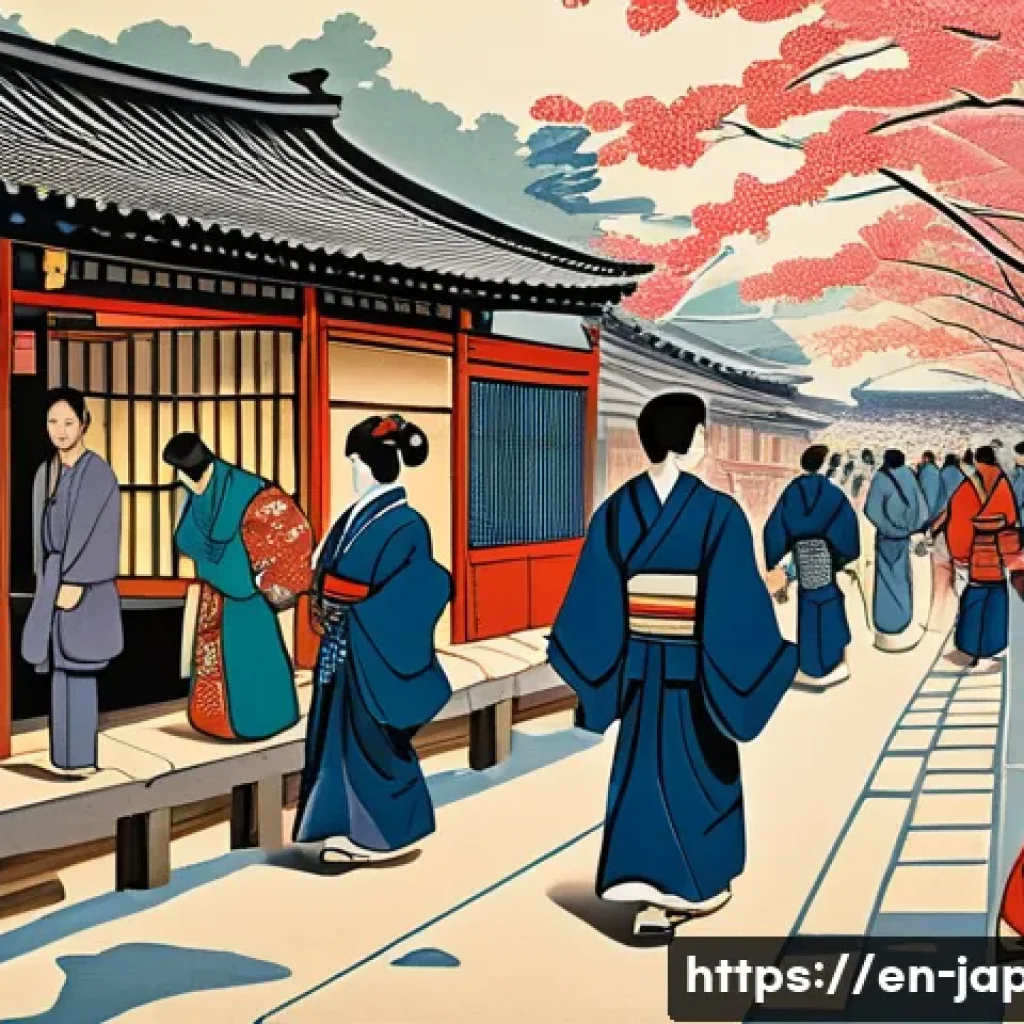
Ukiyo-e, the vibrant Japanese woodblock print tradition, offers a fascinating glimpse into the culture and daily life of Edo-period Japan. Known for its bold lines and vivid colors, this art form captures everything from serene landscapes to bustling city scenes and theatrical performances.
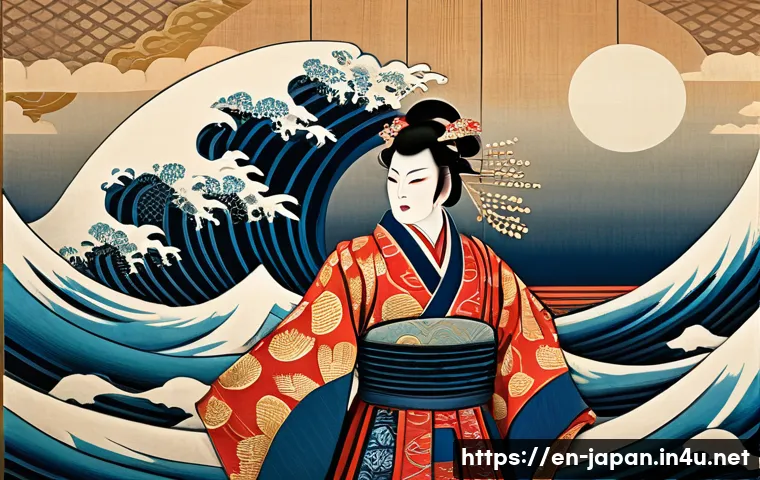
What makes Ukiyo-e truly captivating is how it blends craftsmanship with storytelling, creating pieces that feel alive even centuries later. As digital art dominates today, revisiting these prints reveals timeless techniques and artistic passion that continue to inspire.
If you’re curious about the history, techniques, and impact of Ukiyo-e, let’s dive deeper and explore it together!
The Artistry Behind the Prints
Mastering the Woodblock Technique
The creation of these prints demanded incredible skill and patience. Artists first designed intricate images on thin paper, which were then transferred onto wooden blocks.
Each color required a separate block, making the process painstakingly precise. I’ve always been amazed by how artisans perfectly aligned these blocks to layer vivid colors without smudging—a technique called “kento” registration.
From personal visits to museums, seeing original Ukiyo-e prints up close revealed the subtle textures carved into the wood and how the ink’s absorption created delicate gradients.
This balance between craftsmanship and artistic vision is what gives each piece its enduring charm and vitality.
The Role of the Artist and the Publisher
Unlike many Western art traditions where the artist holds most control, Ukiyo-e involved a collaboration between the artist, carver, printer, and publisher.
The artist’s role was to conceptualize and draw the design, but the publisher managed production and distribution, often influencing the themes to appeal to popular tastes.
This commercial aspect sometimes led to mass production, yet it didn’t diminish the quality. Reflecting on this, it’s fascinating how a collective effort produced art that feels personal and expressive.
I find it reminds me of modern creative industries where teamwork shapes the final product, blending artistry with market demands.
Materials That Brought Prints to Life
The choice of materials was crucial in defining Ukiyo-e’s vibrant look. The wood used was typically cherry wood, prized for its fine grain and durability.
The pigments were derived from natural sources—indigo for blues, safflower for reds, and even crushed minerals for unique hues. What struck me during a workshop was how the pigments were carefully mixed with water and rice paste to control transparency and texture.
This natural palette gave Ukiyo-e prints their timeless appeal, and the way light interacts with these pigments makes the images seem to glow, even centuries later.
Visual Themes and Cultural Narratives
Portraying Everyday Life and Society
One of the reasons Ukiyo-e resonates so deeply is its vivid portrayal of everyday scenes from Edo Japan. From bustling marketplaces to quiet tea houses, these prints serve as visual stories capturing social customs, fashion, and leisure activities of the time.
Personally, I find myself transported to those lively streets when looking at these works. They reveal not just aesthetics but also the cultural fabric—the joys, struggles, and rhythms of ordinary people.
This documentary aspect makes Ukiyo-e more than art; it’s a historical window into a vanished world.
Celebrating Nature and Landscapes
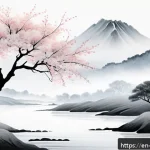
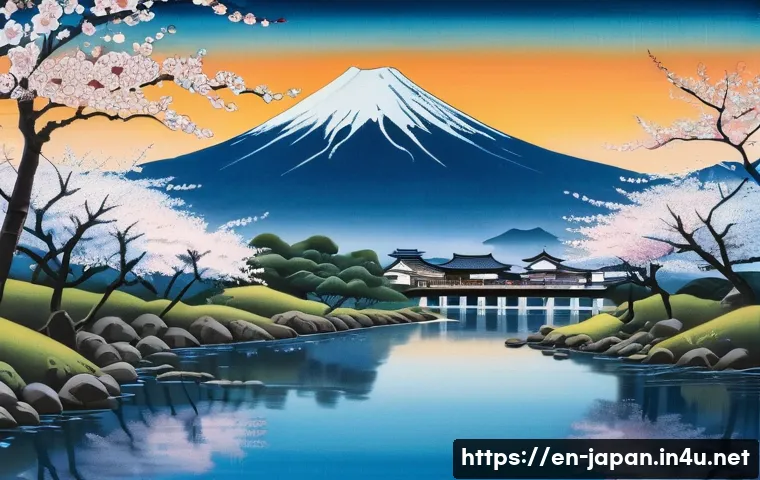
Landscapes are another major theme, often depicting iconic sites like Mount Fuji or serene river scenes. What I find most captivating is how artists infused these natural settings with emotion and symbolism.
The changing seasons, weather, and time of day are portrayed with such sensitivity that the viewer can almost feel the breeze or hear the flowing water.
These prints remind me of how nature was deeply intertwined with Japanese spirituality and everyday life, offering a peaceful contrast to the urban scenes also commonly depicted.
Theater and Celebrity Culture
Kabuki actors and beautiful courtesans frequently appeared in Ukiyo-e, reflecting the era’s entertainment and celebrity culture. These prints functioned like early celebrity posters, showcasing famous performers in dramatic poses or fashionable attire.
I once read about collectors who eagerly awaited new prints featuring their favorite stars, much like today’s fans and social media followers. This connection to popular culture gave Ukiyo-e a dynamic energy, making it relevant and engaging to a wide audience.
The Evolution and Influence of Ukiyo-e
From Edo to the Global Stage
Initially a local phenomenon, Ukiyo-e gradually caught the attention of Western artists and collectors in the 19th century. This cross-cultural exchange profoundly impacted movements like Impressionism and Art Nouveau.
I recall how Van Gogh and Monet collected these prints, drawing inspiration from their compositions and color palettes. This global journey showcases how a traditional Japanese craft transcended its origins, influencing art history worldwide while retaining its unique character.
Modern Interpretations and Revival
Today, Ukiyo-e techniques and aesthetics inspire contemporary artists and designers. Some blend digital tools with traditional motifs, creating fresh hybrids that honor the past while embracing new technology.
I’ve seen exhibitions where modern prints echo the bold lines and vibrant colors of Edo-era works but incorporate current social themes. This ongoing dialogue between old and new keeps Ukiyo-e alive and relevant, encouraging us to appreciate its artistic heritage while exploring new creative possibilities.
Preservation Challenges and Efforts
Preserving these delicate prints poses significant challenges due to their sensitivity to light, humidity, and handling. Museums and collectors employ careful conservation methods to prevent fading and deterioration.
From what I’ve learned through visits and talks with curators, the use of climate-controlled displays and limited exposure times helps extend their lifespan.
This dedication ensures that future generations can continue to experience the beauty and cultural richness of Ukiyo-e firsthand.
Comparing Ukiyo-e with Other Print Traditions
Distinct Techniques Across Cultures
While woodblock printing exists globally, Ukiyo-e’s approach stands out for its combination of fine detail and vibrant color layering. For example, European woodcuts often rely on black-and-white contrasts, whereas Ukiyo-e embraces multiple colors through separate blocks.
From my research and museum visits, I noticed that the registration system in Ukiyo-e was especially advanced, allowing for precise alignment of complex multi-colored images.
This technical sophistication differentiates it markedly from other traditions.
Impact on Western Printmaking
Ukiyo-e’s influence on Western printmaking is undeniable, sparking new artistic directions and techniques. The flattened perspective, asymmetrical compositions, and emphasis on pattern found in these prints challenged European conventions.
I remember reading how artists like Toulouse-Lautrec and Whistler integrated these elements into their work, enriching their visual language. This exchange highlights how Ukiyo-e not only shared beauty but also reshaped artistic thinking far beyond Japan’s borders.
Table: Comparing Key Characteristics of Ukiyo-e and Western Woodblock Prints
| Aspect | Ukiyo-e | Western Woodblock Prints |
|---|---|---|
| Color Usage | Multiple vibrant colors applied using separate blocks | Mostly monochrome or limited color palette |
| Perspective | Flattened, stylized perspective emphasizing patterns | Linear perspective aiming for depth and realism |
| Subject Matter | Everyday life, landscapes, theater, and celebrities | Religious themes, portraits, and historical scenes |
| Production | Collaborative process with artists, carvers, printers, publishers | Often single artist or small workshop involvement |
| Printing Technique | Precise multi-block registration system | Less complex registration, focus on relief printing |
Understanding the Cultural Significance
Reflection of the Floating World
The term often translated as “floating world” captures the ephemeral nature of the lifestyle Ukiyo-e depicted—a world of pleasure, entertainment, and fleeting beauty.
These prints document a culture that valued moments of joy amid the rigid social order of Edo Japan. From personal accounts and historical records, it’s clear that Ukiyo-e was both a mirror and an escape, inviting viewers to savor life’s transient delights.
Social Commentary and Satire
Beyond beauty, some prints carried subtle social critiques or humor. Artists cleverly incorporated satire, poking fun at political figures or societal norms.
I find this aspect especially compelling because it shows Ukiyo-e was not just decorative but also intellectually engaged with its time. This layered meaning adds depth to the images and invites us to look closer, revealing stories beneath the surface.
Legacy in Contemporary Culture
Ukiyo-e’s influence extends into modern media like manga, anime, and graphic design, where echoes of its style and storytelling persist. Many contemporary creators openly acknowledge this heritage, blending tradition with innovation.
This continuity highlights how cultural artifacts can evolve while preserving core values, enriching both past and present artistic expression.
Conclusion
Ukiyo-e is more than just a traditional art form; it’s a vivid reflection of a unique culture and era. Its intricate craftsmanship and rich storytelling continue to inspire artists and audiences around the world. By understanding its history and techniques, we gain a deeper appreciation for the timeless beauty and cultural significance embedded in each print.
Useful Information to Remember
1. Ukiyo-e prints were created through a meticulous multi-block woodblock printing process, requiring precise alignment and skilled artisanship.
2. The collaboration between artists, carvers, printers, and publishers was essential, blending creativity with commercial strategy.
3. Natural materials like cherry wood and plant-based pigments contributed to the prints’ vibrant colors and lasting appeal.
4. Themes often depicted everyday life, nature, theater, and celebrity culture, offering both artistic beauty and social insight.
5. Ukiyo-e’s influence extends globally, shaping Western art movements and inspiring contemporary design and media.
Key Takeaways
Ukiyo-e stands out for its complex production process and collaborative nature, combining artistic vision with technical mastery. Its themes capture both the fleeting pleasures and deeper social commentary of its time, making it a rich cultural artifact. Preservation efforts remain vital to maintain these delicate works for future generations, ensuring that the legacy of Ukiyo-e continues to thrive in modern art and culture.
Frequently Asked Questions (FAQ) 📖
Q: What distinguishes Ukiyo-e from other traditional Japanese art forms?
A: Ukiyo-e stands out primarily because of its woodblock printing technique, which allowed artists to produce multiple copies of a single work, making art more accessible to the public.
Unlike painted scrolls or ceramics, Ukiyo-e captures everyday life, popular culture, and theatrical scenes with bold lines and vibrant colors. This focus on the “floating world”—the transient pleasures of urban life in Edo-period Japan—gives Ukiyo-e a unique narrative quality that blends storytelling with visual art.
Its ability to depict both the ordinary and the extraordinary in a lively, approachable style is what makes it so distinctive.
Q: How were Ukiyo-e prints created, and what techniques made them so vibrant?
A: The creation of an Ukiyo-e print was a collaborative effort involving the artist, carver, printer, and publisher. First, the artist would draw the design on paper, which the carver then transferred onto wooden blocks—one block for each color.
The printer applied different colored inks to these blocks and pressed them onto paper in precise alignment, known as registration. This multi-block process allowed for the vivid layering of colors, giving Ukiyo-e its signature brightness and depth.
The use of natural pigments and careful craftsmanship meant the colors remained vibrant for centuries, which is why these prints still captivate viewers today.
Q: Why does Ukiyo-e remain relevant and inspiring in today’s digital art era?
A: Despite the rise of digital art, Ukiyo-e continues to inspire because it represents a perfect marriage of technical skill and storytelling. Experiencing an Ukiyo-e print firsthand reveals the artist’s meticulous attention to detail and the warmth of hand-crafted work—qualities often lost in digital creation.
Moreover, Ukiyo-e’s themes of daily life, nature, and human emotion are timeless, resonating across cultures and generations. For many contemporary artists and enthusiasts, Ukiyo-e serves as a reminder that art can be both beautiful and accessible, encouraging creativity rooted in tradition while pushing boundaries in expression.