Tokyo is a dazzling blend of cutting-edge technology and timeless tradition, offering travelers an unforgettable experience at every turn. From the bustling streets of Shibuya to the serene gardens of the Imperial Palace, this city has something to captivate every kind of explorer.
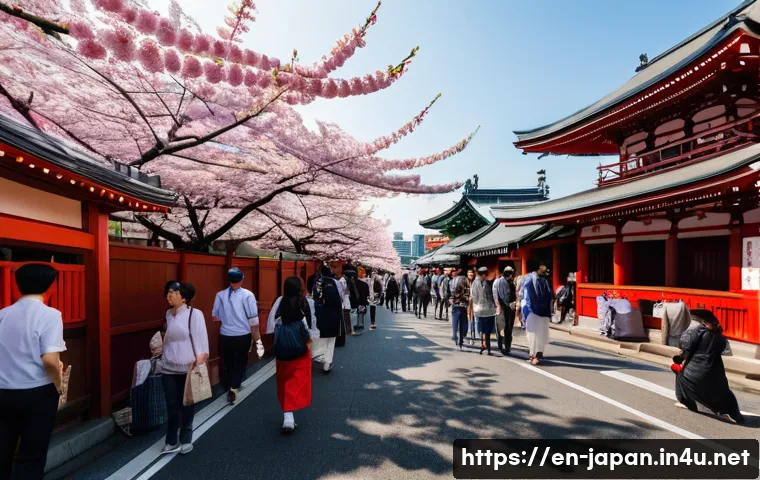
Whether you’re a foodie craving authentic sushi or a culture enthusiast eager to dive into ancient temples, Tokyo effortlessly delivers. Navigating its efficient public transport and discovering hidden local gems adds an extra layer of excitement to your adventure.
Ready to uncover the best of what Tokyo has in store? Let’s dive in and explore all the must-know tips and spots in detail!
Unraveling Tokyo’s Neighborhood Charms
Shibuya: More Than Just a Famous Crossing
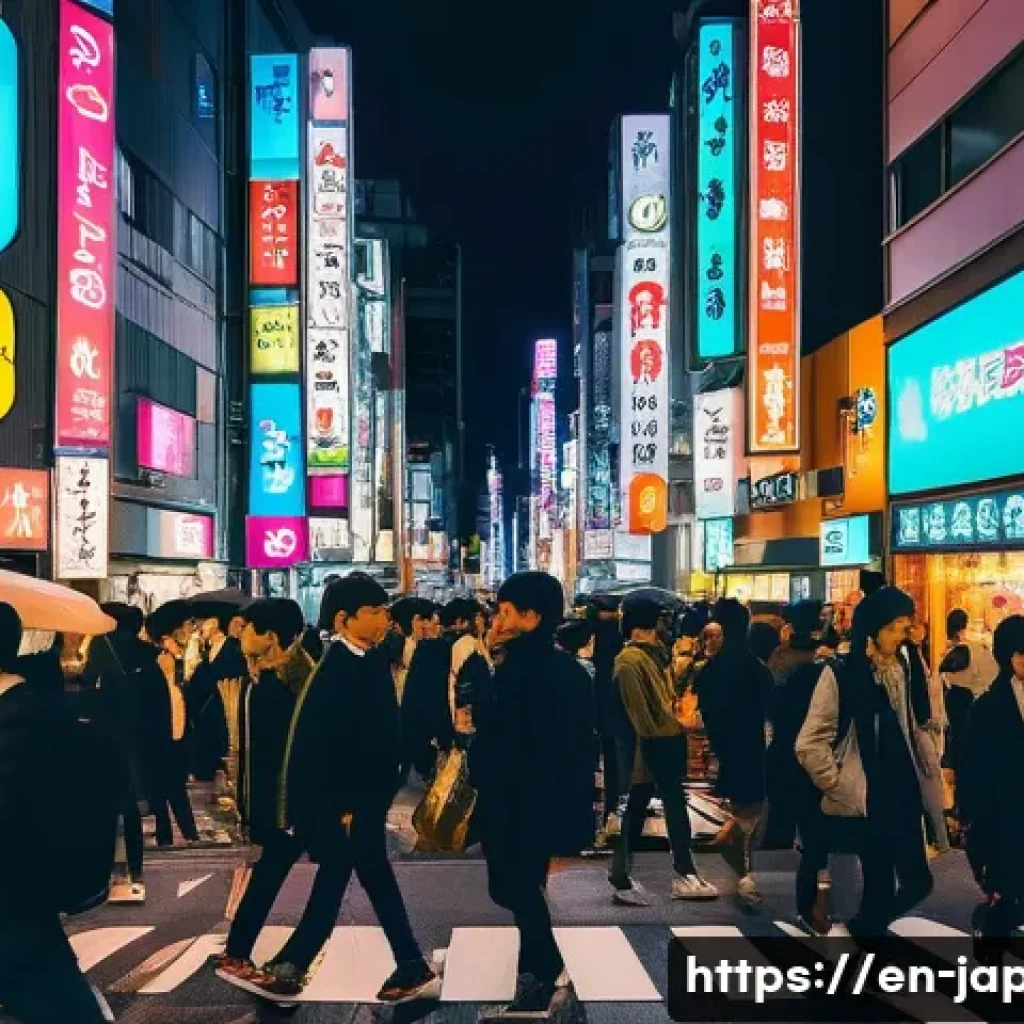
Shibuya is often instantly associated with its iconic scramble crossing, but this vibrant district offers so much more beyond the hustle and bustle of the intersection.
Wandering through the labyrinth of narrow streets, you’ll discover quirky boutiques, cozy cafes, and some of Tokyo’s trendiest nightlife spots. I remember strolling around late at night, the neon lights reflecting off the wet pavement, giving the whole area a cinematic vibe.
For fashion lovers, Shibuya is a playground, with stores ranging from global brands to underground designers. Plus, if you’re into people-watching, the energy here is unmatched, capturing Tokyo’s youthful spirit perfectly.
Asakusa: The Heartbeat of Old Tokyo
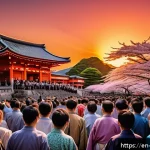
If you want to feel Tokyo’s historical pulse, Asakusa is your go-to. It’s home to Senso-ji, Tokyo’s oldest temple, which feels like stepping back in time with its traditional architecture and bustling market stalls selling local snacks and souvenirs.
One thing that really stuck with me during my visit was the mix of tourists and locals alike, all drawn to this spiritual and cultural hub. Don’t miss the chance to try freshly made ningyo-yaki cakes or pick up a hand-painted fan.
Walking along the Sumida River nearby also offers a peaceful contrast to the vibrant streets.
Shimokitazawa: Tokyo’s Indie Spirit
For those who want to escape the mainstream and dive into Tokyo’s indie scene, Shimokitazawa is a treasure chest. It’s a laid-back neighborhood filled with vintage shops, independent theaters, and cozy coffee spots that feel like a secret hideaway.
I found myself lingering in tiny record stores and chatting with shop owners who shared stories about the area’s transformation from a quiet residential zone to a cultural hotspot.
The vibe here is creative and relaxed, perfect for slowing down and soaking in a different side of Tokyo.
Savoring Tokyo’s Culinary Wonders
Mastering Sushi Beyond the Conveyor Belt
Tokyo is synonymous with sushi, but the real magic lies in seeking out authentic experiences beyond the typical conveyor belt restaurants. I had the chance to visit a small sushi bar in Tsukiji where the chef prepared each piece right in front of me, explaining the origins of the fish and the perfect rice seasoning.
This personalized touch elevated the meal to something unforgettable. If you’re serious about sushi, consider booking a spot at a traditional Edomae sushi restaurant, where the skill and history behind each bite are palpable.
Ramen Adventures Across the City
Ramen shops in Tokyo range from hole-in-the-wall joints to stylish eateries, each offering their own signature broth and noodle style. I’ve lost count of how many bowls I’ve slurped, but what always stood out was how each shop’s recipe tells a story.
Whether it’s a rich tonkotsu pork broth or a light shoyu soy sauce base, the depth of flavor is astonishing. For first-timers, visiting a ramen street like Tokyo Ramen Street in Tokyo Station provides a convenient way to sample diverse styles under one roof.
Sweet Treats and Unique Cafés
Tokyo’s dessert scene is as innovative as its technology. From delicate matcha parfaits to quirky animal-shaped pastries, the city offers a feast for the eyes and the palate.
I vividly remember sitting in a cat-themed café, sipping matcha latte while watching the feline residents dozing in the sun. Specialty cafés focusing on themes from retro video games to traditional tea ceremonies add an extra layer of fun to your culinary exploration.
Mastering Tokyo’s Transport Maze
Decoding the Subway and Train Lines
Navigating Tokyo’s extensive train network can be intimidating at first, but once you get the hang of it, it’s incredibly efficient and user-friendly.
I recommend downloading a reliable transit app like Hyperdia or Google Maps to plan your routes in real-time. The key is understanding the difference between JR lines and subway lines, as well as purchasing a prepaid IC card like Suica or Pasmo for smooth tap-and-go access.
During rush hour, trains can get packed, but the punctuality and frequency make it manageable.
Tips for First-Time Riders
If it’s your first time using Tokyo’s public transport, a few insider tips can make the experience less stressful. For instance, stand on the left side of escalators in Tokyo (opposite in Osaka), and be mindful of quiet carriages during peak hours where phone calls are discouraged.
Also, avoid eating or drinking on trains as it’s considered impolite. I found that traveling slightly outside peak hours not only offers a more comfortable ride but also lets you appreciate the stations’ architectural beauty, many of which feature stunning designs.
Exploring Tokyo on Foot and Bicycle
While trains cover most of the city, walking or renting a bicycle is a fantastic way to uncover hidden gems in neighborhoods like Daikanyama or Yanaka.
I often chose to stroll through quiet alleyways and local markets where you can stumble upon artisanal shops and street art. Some areas offer bike rentals by the hour, which is perfect for short explorations and gives a refreshing change of pace from the crowded public transport.
Immersing in Tokyo’s Cultural Experiences
Traditional Arts and Performances
Tokyo’s cultural scene isn’t just about temples and museums—it’s alive with traditional arts like Kabuki theater, tea ceremonies, and calligraphy workshops.
I attended a Kabuki show at the historic Kabuki-za Theatre and was mesmerized by the elaborate costumes and dramatic storytelling. Participating in a tea ceremony offered a quiet moment of mindfulness, connecting me to centuries-old customs.
These experiences provide a deeper understanding of Japan’s rich heritage beyond surface sightseeing.
Modern Art and Architecture
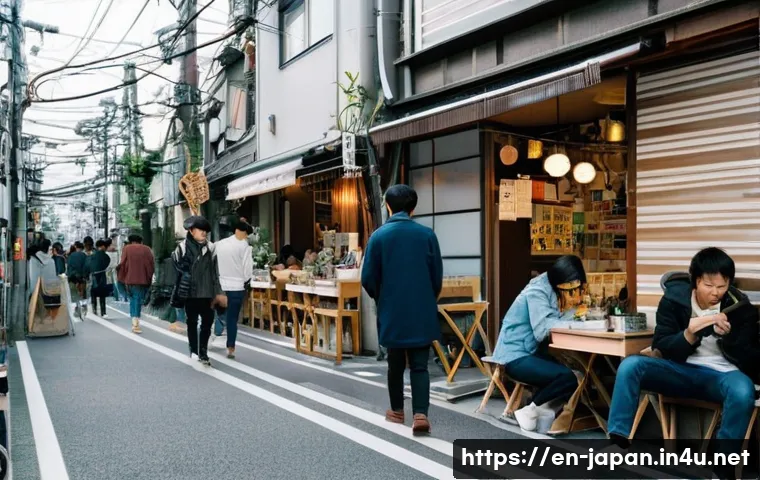
For lovers of contemporary culture, Tokyo boasts a thriving art scene with galleries and installations scattered across the city. Places like Roppongi Hills and the Mori Art Museum showcase cutting-edge exhibitions that challenge and inspire.
I was particularly struck by the seamless integration of futuristic architecture with natural elements, like the rooftop gardens and open-air spaces that invite visitors to relax amid urban creativity.
Festivals and Seasonal Events
Timing your visit with Tokyo’s festivals adds an unforgettable layer to your trip. From the vibrant cherry blossom celebrations in spring to the energetic summer fireworks and the colorful autumn foliage festivals, each season brings unique charm.
I’ve experienced the lively energy of the Sanja Matsuri, where locals and visitors come together in a spirited parade, and it remains one of my most cherished memories of Tokyo’s communal warmth.
Shopping Secrets Beyond the Main Streets
Hidden Boutiques and Local Markets
While places like Ginza and Omotesando are famous for luxury shopping, exploring smaller districts like Koenji and Nakameguro reveals Tokyo’s indie fashion and artisanal crafts.
I loved browsing vintage stores and handmade jewelry shops where the owners were passionate about sharing the stories behind their collections. Local markets, especially weekend flea markets, are gold mines for unique souvenirs and vintage finds, often overlooked by tourists.
Tech and Gadget Hunting
Akihabara remains the ultimate destination for tech lovers and anime fans, but it’s also a fascinating place to discover the latest gadgets and quirky electronics.
I once stumbled upon a tiny shop selling retro game consoles and robot toys that instantly sparked nostalgia. The staff were incredibly knowledgeable and eager to demonstrate products, making the shopping experience interactive and fun.
For cutting-edge tech, don’t miss the flagship stores of major brands where you can try out the newest innovations firsthand.
Luxury and Designer Finds
For those craving high-end shopping, Tokyo’s luxury districts offer everything from exclusive fashion labels to bespoke accessories. I found Ginza particularly impressive, with its sleek department stores and elegant boutiques that make shopping feel like an event.
Some stores even provide personal shopping services with English-speaking staff, which was a huge help in navigating size differences and style preferences.
Practical Tips for a Smooth Tokyo Stay
Language and Communication
While English signage is common in tourist areas, learning a few basic Japanese phrases can go a long way in enhancing your interactions. I found that locals appreciate even simple greetings like “Konnichiwa” (hello) or “Arigatou” (thank you), which often led to warmer exchanges.
Many restaurants now have English menus or picture guides, but having a translation app ready can be a lifesaver, especially when exploring lesser-known spots.
Money Matters and Payment Methods
Japan is still largely a cash-based society, so carrying enough yen for small purchases, especially in local markets or temples, is essential. That said, Tokyo is rapidly adopting card payments and mobile wallets like Apple Pay and Suica for convenience.
I personally kept a mix of both, as some traditional vendors only accept cash. ATMs at convenience stores like 7-Eleven are reliable for international cards, which made withdrawing extra cash hassle-free.
Staying Connected and Online Access
Having reliable internet access is crucial for navigating Tokyo’s vast cityscape. Renting a pocket Wi-Fi or purchasing a Japanese SIM card at the airport gave me constant connectivity, which was invaluable for checking transit routes, translation, and staying in touch with new friends I met along the way.
Free Wi-Fi is available in many cafes and public spaces, but it’s often limited, so having your own connection made the trip smoother and less stressful.
Essential Information at a Glance
| Category | Recommended Area | Highlights | Tips |
|---|---|---|---|
| Neighborhoods | Shibuya, Asakusa, Shimokitazawa | Fashion, historic temples, indie culture | Explore side streets for hidden gems |
| Food | Tsukiji, Tokyo Station, Various local spots | Authentic sushi, diverse ramen, themed cafes | Book ahead for top sushi bars |
| Transport | All over Tokyo | Efficient trains, IC cards, walkable areas | Use apps and avoid peak hours |
| Culture | Kabuki-za, Roppongi, Various festivals | Kabuki theater, modern art, seasonal events | Buy tickets in advance for shows |
| Shopping | Ginza, Akihabara, Koenji | Luxury brands, gadgets, vintage shops | Look for personal shopping services |
| Practical Tips | Throughout Tokyo | Language basics, cash, Wi-Fi | Carry cash, learn phrases, rent pocket Wi-Fi |
Wrapping Up
Tokyo is a city that effortlessly blends tradition with modernity, offering unforgettable experiences in every neighborhood. Whether you’re exploring historic temples, savoring world-class cuisine, or navigating its efficient transport system, Tokyo invites you to dive deeper and discover its many layers. Each visit brings new stories and cherished memories that stay with you long after you leave.
Useful Tips to Keep in Mind
1. Plan your travel routes ahead using reliable apps to save time and avoid confusion during busy hours.
2. Try to learn a few basic Japanese phrases; locals appreciate the effort and it often opens doors to friendlier interactions.
3. Carry a mix of cash and cards since some smaller vendors prefer cash payments, especially in traditional markets.
4. Book tickets in advance for popular cultural events like Kabuki performances to ensure you don’t miss out.
5. Renting a pocket Wi-Fi or local SIM card will keep you connected and make navigating the city much easier.
Key Takeaways for a Seamless Tokyo Experience
Embrace Tokyo’s diversity by exploring beyond the well-known spots to uncover hidden gems and local favorites. Prioritize authentic culinary adventures by visiting traditional eateries where the craftsmanship shines. Make the most of the city’s transport system by familiarizing yourself with IC cards and transit apps for stress-free travel. Respect local customs and etiquette, such as quietness on trains and polite greetings, to enrich your cultural experience. Lastly, staying connected and prepared with essential tools like Wi-Fi and language aids will ensure your trip runs smoothly and enjoyably.
Frequently Asked Questions (FAQ) 📖
Q: What are the best neighborhoods to explore in Tokyo for first-time visitors?
A: For first-time visitors, Shibuya is an absolute must-see with its famous scramble crossing and vibrant nightlife. Harajuku offers quirky fashion and unique shops, perfect for those who love trendsetting culture.
Asakusa provides a glimpse into Tokyo’s traditional side, featuring the historic Senso-ji Temple and charming street markets. Personally, I found hopping between these areas gave me a perfect balance of modern buzz and cultural depth, making my trip truly unforgettable.
Q: How can I navigate Tokyo’s public transportation system easily?
A: Tokyo’s public transport is famously efficient but can seem overwhelming at first. The key is to get a prepaid IC card like Suica or Pasmo—they make hopping on trains, subways, and buses seamless without fumbling for tickets.
I recommend downloading a transit app like Google Maps or HyperDia to plan your routes in real time. Also, don’t hesitate to ask station staff for help; they’re usually very friendly and used to tourists.
Once you get the hang of it, you’ll appreciate how fast and reliable the system is.
Q: Where can I find authentic sushi experiences beyond the tourist spots?
A: While places like Tsukiji Outer Market are popular, some of the best sushi is found in smaller, lesser-known neighborhoods like Meguro or Kichijoji. These areas have cozy sushi bars where chefs take time to craft fresh, seasonal dishes.
From my experience, sitting at the counter and chatting with the chef adds a personal touch you won’t get in larger chains. If you want to go all out, booking a sushi omakase (chef’s choice) meal is an unforgettable way to taste Tokyo’s culinary artistry.