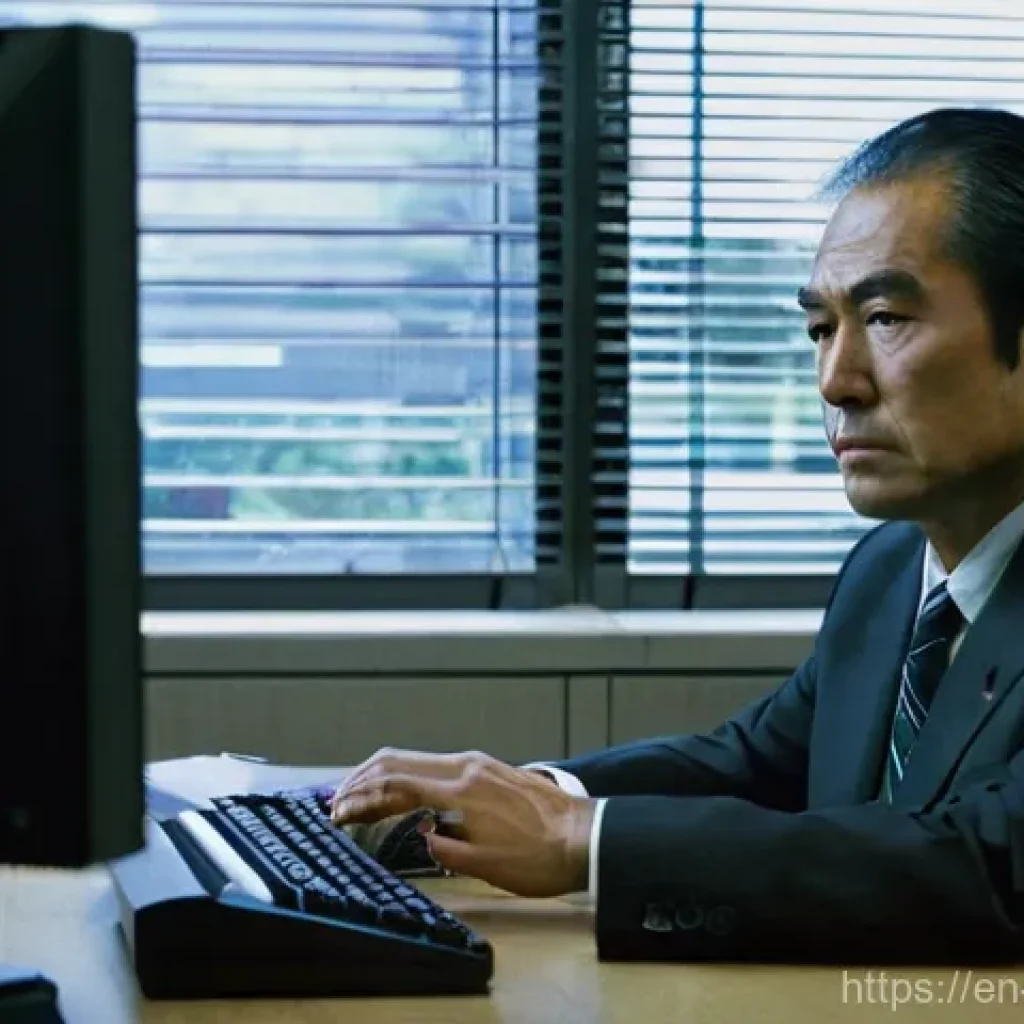
Alright, my fellow global citizens! I’ve been navigating the vibrant, often intense, world of working in Japan for a good while now, and let me tell you, the phrase “work-life balance” here is a fascinating one.
For years, the global perception has been those legendary long hours, the dedicated “salaryman” culture, and the sheer commitment that Japanese professionals are renowned for.
And honestly, there’s a kernel of truth to that stereotype – I’ve certainly experienced my share of intense periods. But what if I told you that the narrative is far from static?
I’ve been witnessing a genuinely exciting shift, a quiet revolution brewing beneath the surface, especially with younger generations and a growing awareness among companies.
It’s no longer just about clocking in endless hours; people are increasingly seeking that elusive sweet spot where a fulfilling career coexists with a rich personal life.
This isn’t just wishful thinking; there are real changes happening, from government initiatives to evolving corporate mindsets, and even the subtle but powerful influence of a new generation prioritizing well-being.
It’s a complex dance between tradition and modernity, but trust me, finding that rhythm is more attainable than ever if you know where to look. Let’s peel back the layers and uncover the real story together.
The Shifting Sands of Japanese Work Culture

For so long, when you mentioned “working in Japan,” images of overworked “salarymen” burning the midnight oil likely sprang to mind. And honestly, for a significant part of Japan’s post-war economic boom, that image wasn’t far off. The sheer dedication and company loyalty were legendary, but it often came at a steep personal cost. We’ve all heard stories, or perhaps even seen firsthand, the relentless pressure that defined corporate life here. It was a culture where showing unwavering commitment, even if it meant sacrificing personal time, was seen as the ultimate virtue. This deeply ingrained ethos contributed to Japan’s incredible economic growth, no doubt, but it also fostered a work environment that, let’s be frank, wasn’t always kind to individual well-being. It’s been a long-standing issue, and for years, many of us wondered if it would ever truly change. But what I’ve been witnessing lately, and what the latest data clearly shows, is a genuine, albeit sometimes slow, pivot towards a more humane and sustainable way of working. It’s like a massive ship gradually changing course – it takes time and effort, but the direction is undeniable. This isn’t just wishful thinking; there are concrete actions, both from the government and within companies themselves, that are redefining what it means to be a professional in Japan today.
“Karoshi” and the Pressure Cooker Past
The term “karoshi” (過労死), meaning “death from overwork,” isn’t just a grim statistic; it’s a stark reminder of the extreme pressures that historically characterized Japanese workplaces. For decades, it was almost an unspoken expectation that employees would dedicate themselves wholeheartedly, often leading to incredibly long hours, minimal vacation usage, and immense stress. I remember hearing stories when I first arrived, even in more recent years, about colleagues feeling guilty for taking their allotted paid leave, or worse, having requests subtly (or not-so-subtly) discouraged. This culture of “presenteeism,” where simply being at the office for long hours was valued, often overshadowed actual productivity. It wasn’t uncommon for people to stay late even if their work was done, just because their supervisor hadn’t left yet. It truly felt like a badge of honor to endure, even if it meant pushing your mental and physical limits. This kind of intense environment, while fostering incredible loyalty and a strong sense of collective responsibility, also created a breeding ground for burnout and significant health issues, which honestly, is something no one should have to face for their job.
Government-Led “Work Style Reform” (働き方改革)
But here’s where things get interesting! The Japanese government, recognizing the long-term societal and economic implications of this intense work culture, stepped in with the “Work Style Reform” (働き方改革) initiative. This wasn’t just a suggestion; it was a serious effort to legally regulate overtime hours and encourage more flexible, diverse work styles. Think about it: a country known for its strict traditions actively legislating against excessive work – that’s a big deal! Measures include setting legal caps on overtime, promoting the use of paid leave, and pushing for flexible working arrangements like telecommuting and flextime. I’ve personally seen companies, especially larger ones, become much more diligent about tracking hours and encouraging employees to leave on time. While cultural change always lags behind policy, these reforms have laid crucial groundwork. For instance, overtime is now generally capped at 45 hours a month and 360 hours a year, with penalties for violations. It’s not perfect, and some still navigate the system, but the sheer fact that these limits exist and are enforced is a huge step forward, chipping away at the old “stay until the boss leaves” mentality.
A New Generation, A New Mindset
If you’ve spent any time with younger Japanese professionals lately, you’ll feel it: there’s a definite vibe shift happening. It’s not a loud, rebellious outcry, but a quiet, powerful re-evaluation of what work means in their lives. My generation, and those younger than me, are just wired differently. We grew up in a Japan that, while still traditional, has been increasingly exposed to global ideas and priorities. This isn’t to say we don’t value hard work or dedication – we absolutely do! But the definition of “dedication” is broadening. It’s no longer solely about enduring endless hours; it’s about efficiency, impact, and, crucially, making space for a life outside the office. This generational pivot is one of the most exciting aspects of Japan’s evolving work landscape. It’s creating a fascinating tension between the old guard and the new blood, and trust me, the new blood is making its voice heard through their choices and expectations in the job market.
Prioritizing Personal Well-being
One of the most noticeable shifts is this emphatic, almost undeniable, prioritization of personal well-being. Younger generations in Japan are simply less willing to sacrifice their mental and physical health for a job. I’ve heard countless friends and colleagues express that they want meaningful careers, but they also want time for themselves, for their families, for hobbies, and for simply recharging. The days when “nominication” (drinking with colleagues after work) was almost mandatory are fading, especially among the younger crowd who value their private time more. This isn’t about being anti-social; it’s about setting boundaries and recognizing that a well-rested, mentally healthy employee is ultimately a more productive and happier one. It’s a fundamental change from the “work until you drop” mentality, replacing it with a more holistic view of life where work is a part, but not the entirety, of one’s identity. I’ve seen a real embrace of activities like weekend trips, fitness classes, and pursuing passions that have absolutely nothing to do with climbing the corporate ladder.
The Rise of “Employability” Over Lifetime Loyalty
The traditional concept of “lifetime employment” – working for one company until retirement – is becoming less of a rigid expectation and more of a choice for many, especially the younger cohort. My friends in their 20s and 30s are much more open to “job-hopping” than previous generations, a concept that was almost unheard of just a few decades ago. They’re focusing on developing transferable skills and seeking opportunities that offer personal fulfillment and new challenges, rather than just stability. This shift is empowering them, giving them leverage in a competitive job market where companies are increasingly vying for top talent. It means companies now have a stronger incentive to offer attractive work-life benefits and foster positive environments to retain their younger employees. It’s a move from prioritizing sheer loyalty to a single organization to building a robust career based on diverse experiences and personal growth. I personally know several people who have made successful transitions, not out of dissatisfaction, but out of a desire for new learning and a better fit for their personal values.
Embracing Flexibility: Remote Work and Beyond
The global pandemic, for all its challenges, certainly kicked Japan’s traditional work culture into high gear when it came to flexibility. Before 2020, remote work was largely a niche concept, mainly confined to a few progressive tech companies or specific roles. Japanese corporate culture, with its emphasis on in-person communication, hierarchical structures, and even the ceremonial exchange of business cards, seemed inherently resistant to the idea of working from home. But when forced, many companies, surprisingly, adapted. And while there’s been a bit of a pendulum swing back to the office as things have normalized, the genie is largely out of the bottle. What we’re seeing now is a more nuanced, often hybrid, approach that blends traditional office presence with the newfound freedoms of remote work. It’s a fascinating experiment playing out across the country, showing that even the most deeply entrenched customs can evolve under the right circumstances.
The Pandemic’s Unexpected Acceleration
The COVID-19 pandemic acted as an unforeseen catalyst for remote work in Japan. What was once a slow trickle of adoption turned into a sudden, necessary flood. Suddenly, companies that had never considered allowing employees to work from home were scrambling to set up VPNs and virtual meeting platforms. It was a massive learning curve for everyone, from senior management to new hires. I remember the initial chaos, but also the sense of collective effort to make it work. While a lot of traditional companies did eventually call their employees back, the experience fundamentally changed perceptions. Many realized that productivity didn’t plummet, and in some cases, employee satisfaction actually improved. Data shows that remote work popularity in Japan increased significantly during the pandemic, even if it didn’t reach Western levels. For many, it proved that the “we must all be in the office” mentality wasn’t an absolute truth, opening the door for future flexibility.
Hybrid Models and Lingering Challenges
Fast forward to today, and remote work isn’t going away, though it’s often manifesting as a hybrid model. Tech companies, particularly international ones or nimble startups, have really embraced it, offering full-time remote or highly flexible hybrid options. This is fantastic news for anyone seeking a more balanced lifestyle, as it often means less commuting time and greater autonomy. However, it’s not a universal experience. Many traditional industries and smaller companies are still navigating this, and some have returned to full-time office work, citing concerns about maintaining company culture, team cohesion, or even simply the difficulty of managing remote teams within their existing structures. There’s also the challenge of “unpaid overtime” creeping into remote work, or the blurring of lines between personal and professional life when your office is also your home. I’ve had friends express concerns about feeling more isolated, or even micromanaged, when working remotely, which highlights that simply offering remote options isn’t enough; the culture around it needs to evolve too.
Bolstering Support: Leave Policies and Wellness
It’s truly encouraging to see Japan moving beyond just *reducing* negative aspects of work and actively *promoting* well-being. This isn’t just about limiting overtime anymore; it’s about creating a holistic environment where employees feel supported, valued, and empowered to lead fulfilling lives both inside and outside the workplace. The government and many forward-thinking companies are making significant strides in enhancing leave policies and prioritizing mental and physical health. It shows a growing understanding that a healthy, happy workforce is a productive workforce, and that investing in employee well-being isn’t just a cost, but a strategic advantage. As someone who lives and works here, witnessing these changes unfold feels like a breath of fresh air, indicating a genuine commitment to a more balanced future for everyone.
Expanding Parental and Childcare Leave
This is a big one, and it’s something I’m really happy to see. Japan has made some significant amendments to its Child Care and Family Care Leave Act, especially in 2025. What does this mean in real terms? It means more flexibility and support for parents, both mothers and fathers, to balance their professional lives with raising children. The eligibility for child nursing leave has expanded, and importantly, employers are now mandated to offer at least two flexible working options for parents with young children, such as flexible hours or remote work for a certain number of days a month. This is a game-changer for so many families, allowing both parents to be more involved without feeling like their careers are on hold. Plus, companies with more than 300 employees now have to publicly disclose their male childcare leave participation rates, which is a powerful incentive for fostering a culture where fathers feel empowered to take time off. It’s creating a ripple effect, slowly chipping away at traditional gender roles in the workplace.
Mental Health Takes Center Stage
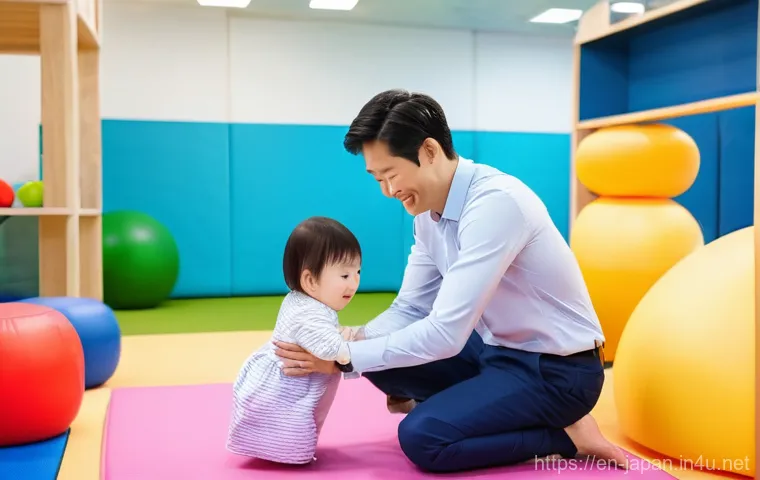
For a long time, talking about mental health in the workplace was almost taboo in Japan. But that’s changing, and it’s a profound shift. Japan has implemented the Stress Check Program, mandating that companies with 50 or more employees conduct annual stress checks. This isn’t just a bureaucratic exercise; it’s an official recognition of the importance of mental well-being. Beyond government initiatives, many companies are now actively investing in comprehensive wellness programs. I’ve heard of companies offering everything from online counseling services and mindfulness workshops to gym memberships and internal campaigns promoting physical activity. It’s about creating a supportive environment where employees feel comfortable discussing stress and seeking help without stigma. This proactive approach to mental health is crucial for preventing burnout and fostering a healthier, more resilient workforce, and it really speaks to a deeper care for employees that was less visible in the past.
Navigating the Cultural Nuances for Foreigners
Alright, for all my fellow global adventurers out there who are either working in Japan now or considering it, let’s get real for a moment. Japan is an incredible place, and working here offers unique experiences, but it also comes with its own set of fascinating (and sometimes bewildering) cultural nuances. You can read all the books you want, but experiencing it firsthand is something else entirely. It’s like trying to learn to swim by reading about it – you just have to jump in! From the subtle intricacies of communication to unspoken expectations, it can feel like you’re constantly trying to solve a puzzle. But don’t worry, you’re not alone, and with a little insight and a lot of patience, you can absolutely thrive. I’ve certainly had my share of “aha!” moments and, let’s be honest, a few “what just happened?!” moments too. Understanding these differences isn’t just about being polite; it’s key to effective teamwork, smoother interactions, and ultimately, a more fulfilling work life here.
Decoding the Unwritten Rules
One of the biggest eye-openers for me, and I hear this from almost every foreigner, is the sheer number of unwritten rules in the Japanese workplace. Things that are considered common sense here might be completely alien where you come from. For example, the importance of “horenso” (report, contact, consult) is paramount, meaning you’re expected to keep your superiors and colleagues constantly updated, even on minor progress or issues. Or the intricate dance of “meishi koukan” (business card exchange), which isn’t just a formality but a ritual with its own strict etiquette. And don’t even get me started on the concept of “reading the air” (空気読める, *kuki yomeru*), where you’re expected to intuitively understand the unspoken mood or expectations in a room. It takes time, observation, and sometimes a few awkward moments to get the hang of it, but learning to navigate these subtle cues can make a world of difference in your professional relationships and overall comfort level. It’s not about changing who you are, but adapting your approach. What’s more, the collectivist nature means that individual contributions are often viewed through the lens of team harmony, so praising someone individually can sometimes be less common than in more individualistic cultures.
Bridging Communication Gaps
Communication, oh boy, that’s another fascinating area! Beyond the obvious language barrier, there’s a distinct difference in communication styles. Japanese communication tends to be much more indirect and nuanced than what many Westerners are used to. Saying “no” directly can be rare; instead, you might hear phrases that imply difficulty or a need for further consideration. It often requires you to listen for what isn’t said, to pick up on subtle hints, and to confirm understanding repeatedly. This can be challenging and sometimes frustrating, leading to misunderstandings if you’re not actively trying to bridge that gap. My advice? Don’t be afraid to ask clarifying questions, even if you feel like you’re being overly explicit. It’s better to ensure mutual understanding than to assume. Also, learning even a little bit of Japanese, especially business honorifics, goes a long way in showing respect and building rapport. It signals that you’re making an effort to connect, and that, my friends, is always appreciated.
Here’s a quick glance at some key differences you might encounter:
| Aspect | Typical Western Workplace | Typical Japanese Workplace |
|---|---|---|
| Decision Making | Often top-down or highly collaborative/individual. | Consensual (ringi-sho) and hierarchical, often involving many stakeholders. |
| Communication Style | Direct, explicit, verbal emphasis. | Indirect, implicit, non-verbal cues (reading the air), group harmony. |
| Feedback | Often direct, individual performance-focused. | Subtle, indirect, focuses on group improvement; direct criticism rare. |
| Teamwork vs. Individualism | Valued, but individual achievement often highlighted. | Strong emphasis on collective responsibility and group harmony. |
| Overtime | Generally avoided, compensated, or seen as inefficiency. | Historically common, sometimes unpaid (“service overtime”), viewed as dedication (though changing). |
My Personal Take: Finding Your Rhythm in Japan
Having navigated the waters of working in Japan for a good while, I can tell you firsthand that finding that sweet spot of work-life balance here is less about a universal solution and more about finding *your* personal rhythm. It’s not always easy, and it certainly isn’t a straight line, but it is absolutely possible. I’ve had my share of intense periods where I felt the pull of traditional expectations, but I’ve also found immense satisfaction and a genuine sense of purpose. The key, I’ve learned, is a blend of understanding the landscape, advocating for your needs, and being strategic in your choices. This isn’t just an academic exercise for me; it’s about living a full, vibrant life while building a fulfilling career in a country I deeply admire. So, if you’re feeling the push and pull, know that you’re not alone, and there are ways to make it work beautifully.
Advocating for Your Balance
One of the most valuable lessons I’ve learned is the importance of advocating for your own work-life balance, even in a culture that traditionally prioritizes group harmony. This doesn’t mean being confrontational, but rather being clear, consistent, and finding diplomatic ways to set boundaries. For instance, being efficient during work hours so you can genuinely leave on time is a powerful statement. Utilizing your paid leave, even if it feels a bit uncomfortable at first, is your right and helps normalize it for others. I’ve found that subtly demonstrating the benefits of a refreshed mind and body, through your productivity and positive attitude, can be far more impactful than direct protest. It’s a marathon, not a sprint, and these small, consistent actions cumulatively contribute to shifting the larger culture. Remember, if you don’t look out for your own well-being, no one else is going to do it for you, so be firm yet flexible.
The Power of Choosing Your Path
Perhaps the most empowering realization I’ve had is the sheer power of choosing your path. Japan’s corporate landscape is diverse. While some companies still cling to traditional, demanding work styles, many, especially in sectors like tech, startups, and international firms, are actively embracing more progressive approaches to work-life balance. My advice? Do your homework! Look for companies that genuinely walk the talk when it comes to flexibility, parental support, and employee well-being. Read reviews, talk to current employees, and ask pointed questions during interviews about work hours, leave usage, and remote work policies. Don’t be afraid to seek out roles or industries that align better with your personal values and desired lifestyle. It’s no longer a one-size-fits-all situation, and you have more agency than you might think. Finding a workplace that respects your life outside of work isn’t just a perk anymore; it’s a non-negotiable for a truly sustainable and happy career in Japan.
Wrapping Things Up
Whew, we’ve covered a lot, haven’t we? It’s truly fascinating to witness Japan’s work culture evolving right before our eyes. From the intense dedication of the past to the increasing push for balance and flexibility, it’s clear that the landscape is shifting in meaningful ways. This isn’t just about policies; it’s about a cultural re-evaluation, driven by both top-down initiatives and a new generation’s desire for a more fulfilling life. It’s a journey, not a destination, but the direction feels undeniably positive. Understanding these dynamics is key to thriving here, whether you’re a local or an international professional.
Handy Tips and Insights
Here are a few quick takeaways and useful nuggets of information I’ve picked up along the way:
-
Mastering “Horenso” is a Game Changer: Seriously, understanding and diligently practicing “report, contact, consult” will smooth out so many of your interactions and earn you respect in any Japanese workplace. It’s about proactive communication, not just reactive problem-solving.
-
Patience with Change: While reforms are happening, cultural shifts take time. Don’t expect immediate, drastic overhauls in every company. Observe, adapt, and be a positive force for change where you can, but understand the pace might be different from what you’re used to.
-
Networking is Still Key: While formal “nominication” might be less common for younger generations, building genuine relationships with colleagues is still incredibly important for career progression and a supportive work environment. Find your own authentic ways to connect.
-
Explore Beyond Traditional Roles: If work-life balance is a top priority, actively seek out opportunities in progressive industries like tech, or consider international companies operating in Japan. They often lead the way in adopting flexible work arrangements and valuing employee well-being.
-
Prioritize Your Japanese Language Skills: Even if your company operates in English, making an effort to learn Japanese, especially business etiquette and honorifics, will significantly enhance your experience, open more doors, and show your commitment to integrating into the culture. It genuinely makes a difference!
Key Takeaways
Ultimately, Japan’s work culture is in a dynamic state of evolution, moving towards greater flexibility and employee well-being, driven by governmental reforms and a new generation’s values. While traditional elements like indirect communication and group harmony remain, there’s a clear trajectory towards more sustainable and inclusive working environments. For both locals and foreigners, understanding these ongoing shifts and actively seeking balanced opportunities are crucial for a fulfilling career journey here.
Frequently Asked Questions (FAQ) 📖
Q: Is the infamous “salaryman” culture of endless, grueling hours still the absolute reality for workers in Japan, or are we genuinely seeing a shift towards better work-life balance?
A: Oh, that’s the million-dollar question, isn’t it? For years, the image of the dedicated, often overworked, “salaryman” burning the midnight oil was the quintessential picture of working in Japan.
And honestly, I won’t lie, there’s still a strong work ethic deeply ingrained in the culture. I’ve definitely had my share of late nights, especially when project deadlines loomed!
However, I’ve also been here long enough to witness a truly exciting and tangible evolution. It’s not an overnight transformation, but the narrative is absolutely changing.
What I’ve observed firsthand is a significant push from both the government and, more importantly, a growing awareness within companies themselves. The “Work Style Reform” initiatives, for instance, have been a real catalyst, encouraging things like reduced overtime, promoting paid leave utilization, and fostering diverse work styles.
But it’s not just top-down. The younger generation, especially, is coming into the workforce with a very different mindset. They’re not just seeking a job; they’re looking for a career that allows for a fulfilling personal life, too.
I’ve had countless conversations with younger colleagues who actively prioritize their weekends and hobbies, something that might have been less common a couple of decades ago.
Companies are realizing that to attract and retain top talent, they simply have to adapt. So, while the dedication remains, the way that dedication is expressed is evolving.
It’s less about sheer hours and more about efficiency and output. It’s a nuanced change, but a very real one that I’ve been thrilled to see unfold.
Q: What tangible, practical steps are Japanese companies actually taking to promote better work-life balance for their employees, and from your experience, are these efforts genuinely effective?
A: This is where the rubber meets the road, right? It’s one thing to talk about change, another to implement it. From my vantage point, having worked across a few different sectors here, I can confidently say that many companies are moving beyond just lip service.
One of the biggest shifts, especially post-pandemic, has been the widespread adoption of remote work and flextime arrangements. I mean, just a few years ago, working from home was almost unheard of in many traditional Japanese companies.
Now, I see hybrid models everywhere, and many of my friends have full flexibility in their schedules, allowing them to better manage family responsibilities or personal appointments.
This has been a game-changer! Beyond that, there’s a much greater emphasis on encouraging employees to actually take their paid time off (PTO). Historically, there was a reluctance, a feeling that you shouldn’t “burden” your colleagues by taking too much time.
But now, it’s often actively promoted by management. I’ve even seen companies implement “wellness days” or mandatory long weekends to ensure people truly disconnect.
Mental health support is also gaining traction, with more companies offering counseling services or workshops on stress management. Are they effective?
Absolutely, yes, to a large extent. When I took a longer vacation last year, I didn’t feel any guilt, but rather supported, and I came back refreshed and more productive.
Of course, the effectiveness varies by company size, industry, and even individual team culture, but the overall trajectory is positive, and it’s making a real difference in the daily lives of many employees, myself included.
Q: For someone considering working in Japan, what practical advice would you give them to ensure they find a job where they can maintain a reasonable work-life balance, rather than falling into the old patterns?
A: Fantastic question! If you’re coming to Japan with the goal of a balanced life, you absolutely can achieve it, but it requires a bit of strategy and active searching.
My biggest piece of advice, based on my own journey and observations, is to be proactive in your research and during the interview process. Don’t just take a job because it’s offered.
Firstly, look closely at the company culture. Foreign-affiliated companies (often called ) generally tend to have more globally aligned work-life balance policies, including better PTO, remote work options, and a clearer distinction between work and personal time.
However, don’t discount progressive Japanese companies! Many forward-thinking domestic firms, especially in the tech, creative, or international business sectors, are embracing modern work styles.
When you’re researching, scour sites like Glassdoor, LinkedIn, and even local Japanese job boards for reviews or insights into company culture. During interviews, don’t be shy about asking direct, but polite, questions about work-life balance.
You could ask about typical working hours, how PTO is utilized, remote work policies, or what kind of support is offered for employee well-being. Frame it positively, emphasizing your commitment to productivity and efficiency, which a good work-life balance supports.
Pay attention to the interviewer’s responses and the overall vibe of the office environment if you get to visit. Are people still there late? Does it feel relaxed or high-strung?
Finally, be prepared to set your own boundaries. While Japanese culture values harmony and collective effort, it’s also about clear communication. If you need to leave at a certain time for an appointment, communicate that clearly and professionally.
From my experience, by being clear about your expectations and demonstrating efficiency during your working hours, you’ll earn respect and be able to carve out that much-desired balance for yourself.
It’s definitely possible, and it’s a journey worth taking!