Hey there, tech enthusiasts and Japanophiles! You know, every time I think about Japan, my mind immediately jumps to its incredible blend of ancient traditions and jaw-dropping futuristic innovations.
It’s a country that never ceases to amaze me, always pushing the boundaries of what’s possible, and honestly, sometimes it feels like they’re already living in 2050!
From my own travels and deep dives into their tech scene, I’ve seen firsthand how Japan is reimagining everything, from how we live and work to how we interact with our environment.
They’re not just creating gadgets; they’re building entire smart cities that feel like something out of a sci-fi movie, deploying robots that aren’t just industrial marvels but also companions, and integrating AI into our daily lives in ways you wouldn’t believe.
It’s truly mind-blowing to witness their strides in areas like sustainable energy and digital transformation, all while keeping a keen eye on improving everyday life, like with advanced care technologies for their aging population.
However, like any nation at the forefront, they’re navigating their own set of unique challenges too, especially when it comes to nurturing the next generation of tech talent and modernizing legacy systems.
If you’re as fascinated as I am by how this incredible nation is shaping the global tech landscape, then you’re in for a treat! Let’s get right into it and explore the fascinating world of Japan’s latest IT trends.
Robots Becoming Our Everyday Buddies
You know, every time I visit Japan, I’m genuinely blown away by how seamlessly robots are integrating into daily life. It’s not just about the big industrial robots in factories anymore; we’re talking about cute, helpful companions and service bots that are making a real difference.
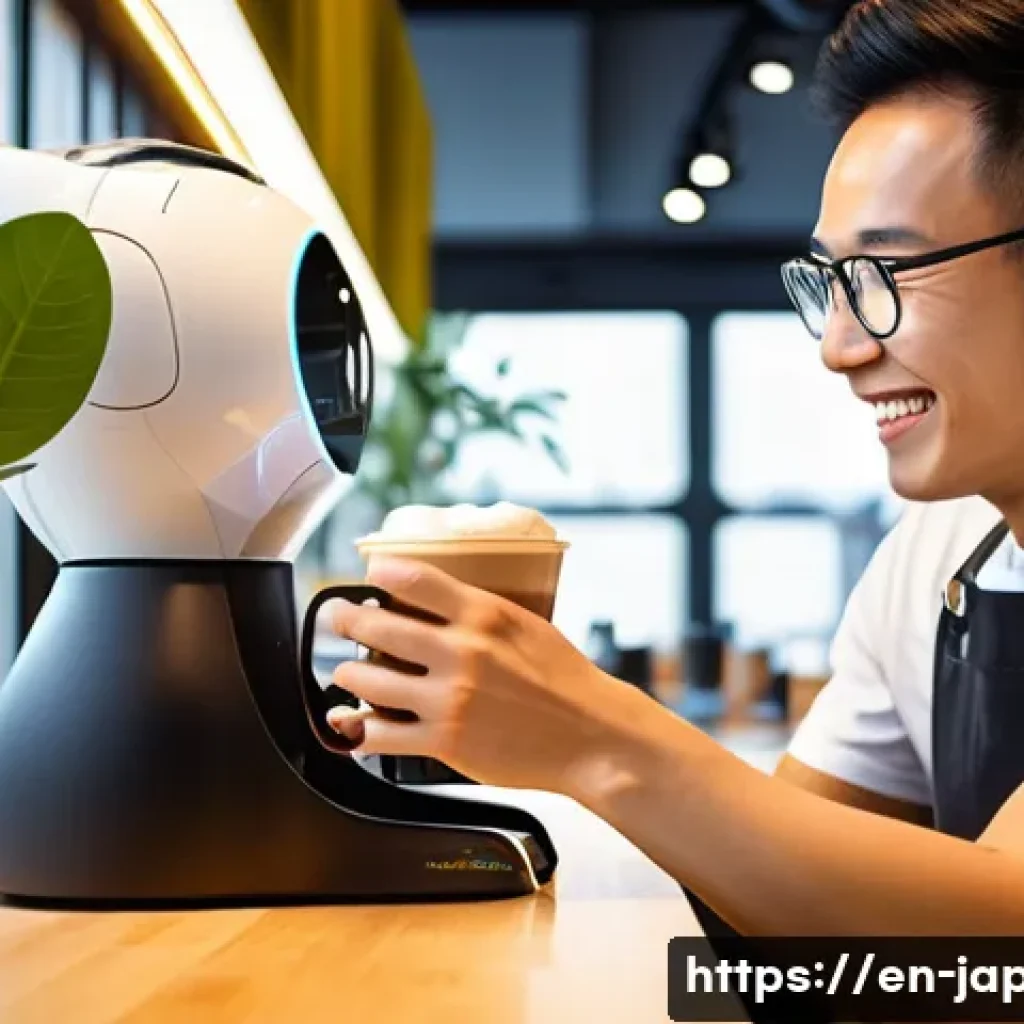
I remember vividly walking into a café in Tokyo, and instead of a human barista, a sleek, efficient robot served me my latte with surprising precision.
It was an experience that truly stuck with me, highlighting how Japan is leading the charge in bringing these technological marvels out of the lab and into our homes and workplaces.
What’s truly fascinating is the focus on creating robots that enhance our lives, whether it’s by taking care of repetitive tasks, assisting the elderly, or even providing a sense of companionship.
This isn’t just about efficiency; it’s about reimagining how we interact with technology on a personal level. The sheer variety, from tiny communication robots like Lovot to sophisticated humanoid assistants, demonstrates a deep commitment to a future where robots are not just tools but an integral part of society.
The engineers here aren’t just building machines; they’re building solutions that address real-world needs, and honestly, sometimes it feels like they’re just showing us a sneak peek of the future.
The innovation in robotics here feels boundless, constantly pushing the envelope of what’s possible and what’s practical, and it’s something I always look forward to witnessing firsthand.
From Factory Floors to Friendly Faces
Japan’s legacy in industrial robotics is legendary, but what I’ve seen recently is an exciting pivot towards service and personal robotics. Think about it: robots cleaning floors in shopping malls, guiding tourists through train stations, and even helping with surgeries.
It’s truly a sight to behold. This shift isn’t just about automating mundane tasks; it’s about freeing up human potential for more complex, creative, and empathetic work.
The investment in AI and machine learning is making these robots smarter, more adaptable, and incredibly user-friendly. I’ve personally seen how these advancements are transforming various sectors, from hospitality to logistics, making operations smoother and more efficient.
The Japanese approach often emphasizes harmony and collaboration between humans and robots, aiming to augment human capabilities rather than replace them entirely.
This philosophy, I believe, is key to their success and why their robotic innovations resonate so deeply.
AI: The Brains Behind the Brawn
And let’s not forget the incredible AI advancements that are powering these robotic wonders. AI isn’t just a buzzword here; it’s the fundamental intelligence that allows robots to understand, learn, and interact with their environment in increasingly sophisticated ways.
From natural language processing that enables robots to converse with us, to advanced computer vision that helps them navigate complex spaces, AI is at the core of Japan’s robotic revolution.
My favorite part is seeing how AI is being used to make robots more “human-like” in their interactions, whether it’s understanding subtle emotional cues or adapting their responses based on real-time feedback.
This focus on intuitive and empathetic AI is what truly sets Japanese robotics apart, creating experiences that are not just functional but genuinely engaging and sometimes, surprisingly endearing.
Building Tomorrow’s Smart Cities, Today
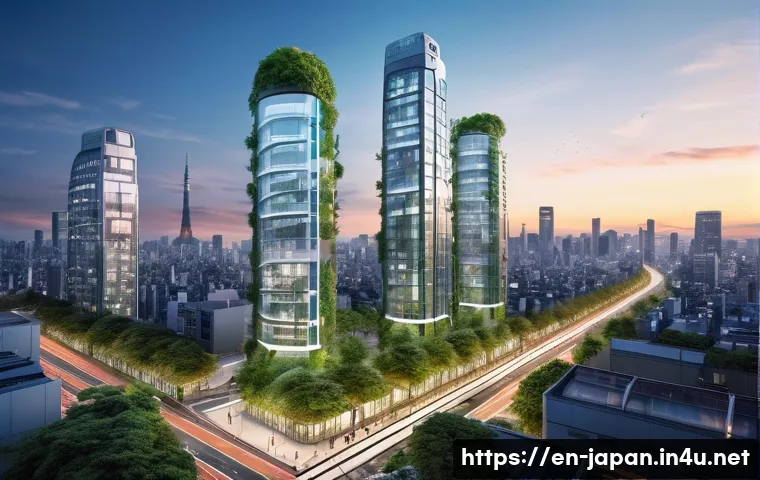
Stepping into some of Japan’s urban centers, you really get a sense of what the future of city living could look like. They’re not just slapping “smart” onto existing infrastructure; they’re meticulously planning and implementing integrated systems that enhance everything from public safety and energy efficiency to citizen engagement.
I remember visiting a new development just outside of Tokyo where the entire neighborhood was designed with sustainability and connectivity in mind from the ground up.
Streetlights adjusted brightness based on pedestrian traffic, sensors monitored air quality in real-time, and public transportation was seamlessly integrated with personal mobility solutions.
It truly struck me how thoughtfully these cities are being developed, with a keen eye on improving the quality of life for residents while also addressing pressing environmental concerns.
This holistic approach, combining cutting-edge technology with community-focused design, is what makes Japan’s smart city initiatives so compelling. They’re creating living laboratories where innovation thrives, and honestly, it’s a blueprint I think many other nations could learn from when planning their own urban futures.
The commitment to making cities both technologically advanced and human-centric is something I deeply admire.
Sustainable Urban Living Through Tech
Japan is at the forefront of leveraging technology to create truly sustainable urban environments. I’ve seen firsthand how initiatives like smart grids are optimizing energy consumption, and how advanced waste management systems are moving towards a circular economy.
It’s not just about flashy gadgets; it’s about fundamental shifts in how cities operate. For instance, smart sensors embedded throughout urban areas collect data on everything from traffic flow to building energy usage, allowing city planners to make data-driven decisions that reduce carbon footprints and conserve resources.
This commitment to ecological responsibility, paired with technological prowess, is creating cities that are not only efficient but also remarkably resilient.
It’s a powerful example of how tech can be a force for good, making our planet a healthier place to live.
Data-Driven Infrastructure for Better Lives
And it’s all powered by data! What truly fascinates me is how Japanese cities are using big data and AI to optimize every facet of urban infrastructure.
From predicting traffic jams to managing disaster response, data is the unseen force making these cities incredibly responsive and efficient. Imagine an AI system analyzing weather patterns, public transport schedules, and even social media sentiment to proactively suggest changes in city services or emergency alerts.
This level of predictive intelligence is not just a concept; it’s being implemented, making cities safer, more convenient, and ultimately, better places to live.
It’s about taking the guesswork out of urban planning and creating environments that adapt to the needs of their inhabitants in real-time.
The Green Tech Revolution: Powering a Sustainable Future
When you talk about innovation in Japan, you absolutely have to talk about their incredible strides in green technology. It’s an area where they’re not just participating; they’re genuinely leading the charge, driven by a deep-seated respect for nature and a clear vision for a sustainable future.
I’ve had the chance to visit some of their advanced research facilities, and the dedication to developing clean energy solutions and eco-friendly manufacturing processes is just phenomenal.
They’re investing heavily in everything from cutting-edge solar panels that blend seamlessly into urban landscapes to revolutionary hydrogen fuel cell technology that could one day power entire communities.
What really struck me is their integrated approach: it’s not just about one technology, but about creating a complete ecosystem where renewable energy, energy storage, and efficient consumption all work in harmony.
This proactive stance on climate change and environmental protection, combined with their technological prowess, truly positions Japan as a global leader in shaping a greener world.
It’s inspiring to see how they’re tackling complex environmental challenges with such ingenuity and long-term vision.
Harvesting the Power of Nature
Japan’s focus on renewable energy sources is truly impressive. They’re not just dabbling; they’re making serious commitments to solar, wind, geothermal, and even ocean energy.
What I find particularly interesting is their innovation in making these technologies more efficient and adaptable to Japan’s unique geography. Think about floating solar farms or wind turbines designed to withstand typhoons.
These aren’t just theoretical concepts; they’re real-world applications that demonstrate a profound understanding of both technology and environment. Their relentless pursuit of energy independence through clean sources is a powerful testament to their foresight and engineering brilliance.
Eco-Friendly Manufacturing and Circular Economies
Beyond energy, Japan is pioneering incredibly intelligent approaches to eco-friendly manufacturing and establishing circular economies. I’ve seen how companies are redesigning products for easier recycling, minimizing waste throughout their supply chains, and even turning industrial byproducts into valuable resources.
This dedication to resource efficiency and waste reduction is deeply ingrained in their industrial culture. It’s a mindset that recognizes the finite nature of our planet’s resources and leverages technology to ensure a more sustainable future, proving that economic growth and environmental stewardship can indeed go hand-in-hand.
Digital Transformation: Redefining Industries
The pace at which Japan is embracing digital transformation across its diverse industries is absolutely captivating. It’s not just the big tech giants; I’ve seen smaller, traditional businesses, from local sake breweries to artisan workshops, leveraging digital tools to modernize their operations, reach wider audiences, and improve efficiency.
This widespread adoption of cloud computing, AI, and IoT is fundamentally reshaping how businesses operate, innovate, and compete. It truly feels like they’re in a period of dynamic evolution, where every sector is finding new ways to integrate technology to overcome challenges and unlock new opportunities.
What I find particularly inspiring is the resilience and adaptability of Japanese businesses, many with centuries of history, as they navigate this new digital landscape.
They’re not just keeping up; they’re actively driving change, proving that innovation isn’t exclusive to startups but can revitalize even the most established industries.
It’s a fascinating blend of tradition and cutting-edge tech that makes the Japanese approach so unique and effective.
Empowering SMEs with Digital Tools
A significant part of Japan’s digital transformation journey involves empowering Small and Medium-sized Enterprises (SMEs) with accessible digital tools.
I’ve witnessed how government initiatives and private sector partnerships are providing crucial support, from cloud migration assistance to cybersecurity training, enabling these foundational businesses to thrive in the digital age.
This focus on inclusivity ensures that the benefits of digital transformation are not just for large corporations but are distributed throughout the economic ecosystem.
It’s about bridging the digital divide and ensuring that every business, regardless of size, has the opportunity to innovate and grow.
Government’s Push for a Digital Society
The Japanese government is also playing a pivotal role in accelerating digital transformation across the entire nation. From digitizing public services to promoting data-driven policy-making, there’s a clear strategic vision to create a truly digital society.
I’ve observed firsthand the push for initiatives like “Society 5.0,” which aims to integrate cyberspace and physical space to solve social problems and create new value.
This top-down support, combined with grassroots innovation, creates a powerful synergy that is propelling Japan into a fully digital future, making daily life more convenient and efficient for everyone.
Gaming and Entertainment Tech’s Next Level
You know, for a nation that practically invented modern video gaming, it’s no surprise that Japan is still at the absolute cutting edge of entertainment technology.
Every time I dive into their gaming scene or explore their entertainment innovations, I’m left speechless by the sheer creativity and technical brilliance.
They’re constantly pushing boundaries, especially with things like virtual reality and augmented reality, making experiences feel incredibly immersive and real.
It’s not just about sharper graphics; it’s about crafting entirely new ways to interact with digital worlds and narratives. I’ve personally tried out some of the latest VR experiences in Tokyo, and they were so mind-bendingly realistic that I almost forgot where I was!
This relentless pursuit of immersion, combined with their unparalleled storytelling abilities, truly makes Japan a global leader in defining the future of entertainment.
They’re not just selling games or movies; they’re selling experiences that transport you to another dimension, and honestly, it’s a huge reason why I keep coming back for more.
Immersive Worlds with VR and AR
Japan’s mastery in virtual reality (VR) and augmented reality (AR) is simply astounding. They’re not just creating games; they’re crafting entire virtual worlds and overlaying digital information onto our physical reality in ways that feel both magical and practical.
I’ve seen incredible applications ranging from hyper-realistic gaming experiences to AR-enhanced tourist guides that bring historical sites to life. This dedication to making digital interactions feel tangible and intuitive is what sets their VR/AR scene apart.
It’s an exciting time to witness how these technologies are blurring the lines between the real and the digital, opening up a universe of possibilities for entertainment and beyond.
Esports Ascendance and Interactive Spectatorship
The rise of esports in Japan is another area where their technological ingenuity shines. It’s no longer a niche hobby; it’s a mainstream phenomenon with massive investments in high-tech arenas and sophisticated broadcasting technologies.
What truly fascinates me is how they’re enhancing the spectator experience, using data visualization, real-time analytics, and interactive platforms to make watching esports as engaging as playing them.
This blend of gaming prowess and technological innovation is creating a whole new culture of digital athleticism and entertainment, proving that Japan continues to be a powerhouse in shaping global trends in competitive digital play.
Revolutionizing Healthcare with Advanced Tech
It’s truly incredible to witness how Japan is leveraging cutting-edge technology to revolutionize healthcare, especially given its aging population. This isn’t just about incremental improvements; they’re making bold leaps forward in diagnostics, personalized medicine, and elder care that are genuinely inspiring.
I’ve seen firsthand how AI is being deployed to analyze medical images with astonishing accuracy, helping doctors detect diseases earlier than ever before.
This proactive approach, combined with a deep commitment to improving the quality of life for everyone, from young patients to seniors, is what makes their healthcare tech advancements so impactful.
It really feels like they’re building a system that’s not just reactive but truly preventative and supportive, focusing on holistic well-being. This profound dedication to using technology for health and longevity is something I deeply admire and believe will serve as a model for other nations facing similar demographic shifts.
AI-Powered Diagnostics and Personalized Care
Japan is making significant strides in using AI for faster and more accurate medical diagnostics. Imagine AI algorithms sifting through vast amounts of patient data to identify subtle patterns that human eyes might miss, leading to earlier disease detection and more precise treatment plans.
I’ve observed how this technology is not only improving diagnostic efficiency but also paving the way for highly personalized medicine, tailoring treatments to individual genetic profiles and lifestyle factors.
This move towards precision healthcare, driven by AI, is fundamentally transforming how diseases are managed and prevented, offering new hope for complex conditions.
Tech for a Longer, Healthier Life for Seniors
With one of the world’s oldest populations, Japan is a global leader in developing advanced technologies for elder care and promoting healthy longevity.
This isn’t just about making seniors comfortable; it’s about empowering them to live independent and fulfilling lives for as long as possible. I’ve seen everything from robotic companions that provide assistance and companionship to sophisticated monitoring systems that ensure safety and well-being at home.
These innovations aren’t just gadgets; they’re thoughtful solutions designed with empathy and respect, demonstrating how technology can genuinely enhance the later stages of life.
Navigating the Talent Landscape: Fostering Innovation
One of the most crucial and fascinating aspects of Japan’s IT landscape, in my opinion, is how they’re addressing the challenge of nurturing and attracting top talent.
While their technological output is phenomenal, ensuring a steady stream of skilled professionals is always a top priority for any leading tech nation.
I’ve had conversations with various founders and educators here, and there’s a strong, concerted effort to not only cultivate home-grown talent from a young age but also to create an environment that welcomes and integrates international expertise.
It’s a complex balancing act, blending traditional educational values with the rapidly evolving demands of the global tech industry. What really stands out is the commitment to continuous learning and upskilling, recognizing that the tech world never stands still.
This proactive approach to talent development and attraction is vital for maintaining Japan’s competitive edge and ensuring its continued leadership in innovation.
It’s inspiring to see the dedication to fostering the next generation of tech pioneers and creating a vibrant, inclusive ecosystem for brilliant minds.
Nurturing the Next Generation of Innovators
Japan is heavily investing in educational reforms and STEM programs to inspire and equip its youth for the digital future. I’ve observed a strong emphasis on coding education from elementary school onwards, as well as initiatives that connect students with cutting-edge research and industry leaders.
This commitment to nurturing talent from a young age is crucial for building a sustainable pipeline of innovators and ensuring that Japan continues to produce world-class engineers and scientists.
It’s about instilling a passion for technology and critical thinking that will drive future breakthroughs.
Global Collaboration and Attracting Diverse Talent
Recognizing the global nature of innovation, Japan is increasingly focusing on international collaboration and attracting diverse talent. I’ve seen numerous initiatives aimed at simplifying visa processes for skilled tech professionals, promoting international incubators, and fostering English-speaking environments in tech hubs.
This outward-looking approach acknowledges that the best ideas often come from a melting pot of cultures and perspectives. By embracing global talent, Japan is not only enriching its tech ecosystem but also strengthening its position as a truly international innovation leader.
Future Mobility: Beyond Roads and Rails
Japan has always been synonymous with advanced transportation, from its legendary bullet trains to its innovative automotive industry. But what truly excites me is seeing how they’re pushing the boundaries of future mobility, looking far beyond traditional roads and rails.
We’re talking about technologies that sound like something out of a sci-fi movie, yet they’re becoming increasingly tangible realities here. I’ve personally seen presentations on autonomous vehicle testing that are incredibly sophisticated, and the buzz around concepts like flying cars and hyperloop technologies is palpable.
It’s not just about getting from point A to point B faster; it’s about fundamentally reimagining how we move, interact with our environment, and connect communities.
This blend of engineering precision and visionary thinking is what makes Japan’s approach to future mobility so captivating. They’re not just building vehicles; they’re building the future of movement itself, and honestly, it’s a journey I’m thrilled to be witnessing.
Autonomous Driving: The Road Ahead
The progress in autonomous driving technology in Japan is truly astounding. They are meticulously testing and refining self-driving vehicles, not just for personal use but for public transportation and logistics.
What I find particularly impressive is the focus on safety and reliability, integrating advanced AI and sensor technology to navigate complex urban environments.
This rigorous approach ensures that autonomous vehicles are not just a novelty but a genuinely viable and safe solution for future transportation needs, promising to transform everything from daily commutes to goods delivery.
High-Speed Futures: Hyperloops and Flying Cars
And then there are the truly mind-bending concepts: hyperloops and flying cars! While still in various stages of development, the level of research and investment in these futuristic modes of transport in Japan is significant.
Imagine traveling between major cities at incredible speeds in a vacuum-sealed tube or simply soaring above traffic in a personal air vehicle. These aren’t just dreams; they represent Japan’s audacious vision for a future where mobility is virtually limitless, breaking free from the constraints of current infrastructure.
It’s a testament to their unwavering commitment to innovation and their desire to define the next generation of transportation.
| Emerging IT Sector | Key Japanese Contributions/Focus | Potential Impact |
|---|---|---|
| Robotics & AI | Service robots, elderly care, industrial automation, empathetic AI | Enhanced daily convenience, improved healthcare, increased industrial efficiency |
| Smart Cities | Sustainable urban planning, data-driven infrastructure, energy management | Greener environments, more efficient public services, disaster resilience |
| Green Tech | Hydrogen fuel cells, advanced solar, eco-friendly manufacturing, carbon capture | Reduced carbon footprint, energy independence, sustainable industrial practices |
| Digital Transformation | Cloud adoption, IoT integration, AI-driven analytics across industries | Increased productivity, new business models, global competitiveness for SMEs |
| Future Mobility | Autonomous vehicles, high-speed rail advancements, flying car concepts | Safer transportation, reduced congestion, accelerated inter-city travel |
Wrapping Things Up
What a journey we’ve been on, exploring the incredible landscape of Japanese innovation! It truly feels like stepping into a near-future, doesn’t it? Every time I delve into their advancements, whether it’s the friendly service robots, the meticulously planned smart cities, or the audacious visions for future mobility, I’m genuinely left inspired. This isn’t just about cutting-edge tech; it’s about a deep-seated commitment to improving quality of life, fostering sustainability, and pushing the boundaries of what’s possible with a blend of tradition and forward-thinking spirit. It makes you really think about how these breakthroughs are shaping not just Japan, but the entire world. I personally feel a renewed sense of excitement for the future, knowing that such brilliant minds are actively working to build a better tomorrow.
Handy Tips You’ll Be Glad You Knew
1. Immerse Yourself in the Local Tech Scene: If you ever get the chance, explore tech events, expos, and even local university open days in Japan. They often showcase prototypes and research far ahead of what hits the mainstream, offering a fascinating glimpse into what’s next. I’ve found some of my most jaw-dropping discoveries just by wandering into smaller, specialized exhibitions.
2. Follow Key Japanese Tech Influencers and Publications: Beyond the obvious global tech giants, seek out influential Japanese tech journalists, researchers, and blogs (many have English versions!). They often provide nuanced perspectives and early insights into trends before they go global. You’ll get a much deeper understanding of the unique cultural drivers behind their innovations.
3. Consider Language and Cultural Nuances: While many in the Japanese tech community are globally minded, a basic understanding of Japanese business etiquette and a few key phrases can significantly enhance your experience if you’re engaging directly. It shows respect and can open doors to deeper conversations and connections. It’s always a good idea to remember that communication styles can differ.
4. Look for Cross-Industry Applications: Japan excels at applying technology from one sector to another, creating unexpected synergies. For instance, robotics developed for manufacturing might find new life in elder care. Keep an eye out for these surprising cross-pollinations – that’s where some of the most innovative solutions emerge. It’s a testament to their holistic approach to problem-solving.
5. Think Long-Term and Sustainable: A core philosophy in Japanese innovation, particularly in areas like Green Tech and Smart Cities, is long-term vision and sustainability. When you’re evaluating new technologies or trends from Japan, consider not just the immediate impact but its potential for enduring, positive change. This perspective often reveals the true genius behind their designs.
Key Takeaways
Honestly, what always strikes me about Japan’s approach to technology is its incredibly comprehensive vision. We’re talking about a nation that seamlessly integrates cutting-edge AI into empathetic robotics for daily life, meticulously plans smart cities that prioritize both efficiency and environmental harmony, and pioneers green technologies that are setting global benchmarks for sustainability. Beyond the individual breakthroughs, it’s the connective tissue between these innovations that truly defines their impact. They’re not just creating cool gadgets; they’re building entire ecosystems. From the resurgence of digital transformation across even the most traditional industries to their unwavering commitment to nurturing the next generation of talent and redefining how we’ll move in the future, Japan is consistently demonstrating what it means to be a global leader in shaping our tomorrow. It’s a powerful blend of precision, foresight, and a deeply human-centric approach that makes their contributions so profoundly influential and, frankly, utterly inspiring.
Frequently Asked Questions (FAQ) 📖
Q: uestions
A: bout Japan’s Latest IT Trends
Q: How is Japan tackling its aging population with innovative technology?
A: This is a question I get all the time, and for good reason! Japan truly is at the forefront of what’s known as “Age-Tech.” With a significant portion of its population aged 65 or older, Japan is innovating out of necessity, transforming demographic challenges into opportunities for technological leadership.
I’ve been so impressed by their multi-pronged approach. For instance, robotics is revolutionizing elder care, with humanoid care robots assisting with tasks like lifting, transferring patients, and even preventing bedsores, which significantly eases the burden on human caregivers.
We’re not talking about dystopian scenarios here; these robots are often designed for gentle, precise physical interaction. Think about therapeutic robot seals like PARO, which comfort elderly residents with soft fur and responsive movements – I remember seeing a documentary about this, and the residents genuinely loved them!
Beyond physical assistance, AI is playing a massive role in preventive health and personalized care. Wearable devices and telemedicine platforms are tracking vital signs, sleep patterns, and allowing remote doctor consultations, which is a game-changer for independent living.
Smart home systems are also becoming prevalent, using motion sensors and voice-activated assistants to ensure safety and independence, alerting caregivers to emergencies like falls.
It’s truly about enabling seniors to live independently longer, supported by a network of AI and robotics. Japan’s commitment here isn’t just about welfare; it’s about creating a new growth industry, blending technology with a human touch to improve quality of life.
Q: What’s truly groundbreaking about Japan’s smart city initiatives?
A: When I first heard about Japan’s smart cities, I pictured something out of a sci-fi movie, and honestly, some of them are pretty close! What makes them so groundbreaking, in my opinion, is their holistic and human-centric approach.
They’re not just about flashy gadgets; they’re integrating physical infrastructure with digital transformation to address real societal needs like sustainability, efficient urban management, and even supporting their aging population.
The Toyota Woven City, for example, is an absolute marvel. It’s an experimental city at the base of Mount Fuji, designed as a “test course for mobility” where autonomous vehicles, robotics, and AI-driven services are being developed and tested in a real-world environment.
Phase 1 construction was completed in October 2024, with the official launch expected in Fall 2025. Imagine living in a place where your car drives itself, deliveries are automated, and your home is fully integrated into a smart energy grid!
Beyond Woven City, other projects like Fujisawa Sustainable Smart Town and Kashiwa-no-ha Smart City are focusing heavily on energy efficiency and sustainability.
They’re deploying IoT-enabled smart grids, smart meters, and sensors that adjust lighting and climate control based on occupancy. Tokyo itself is leveraging AI-driven traffic and public transportation systems to optimize routes and reduce congestion, along with investing in hydrogen-powered fuel cell initiatives.
It’s all about creating efficient, energy-efficient, and livable urban spaces that embrace technology for a better future, with a big emphasis on community involvement.
Q: Are there any surprising new applications of
A: I or robotics coming out of Japan? A3: Oh, absolutely! Japan consistently pushes the boundaries, and I’m always hearing about new, often surprising, applications.
Beyond the obvious industrial and elder care robots, some of the most fascinating developments are in areas you might not expect. For instance, in education, small personalized robots are being used in classrooms to support students with home-based learning needs, allowing them to participate and collaborate with peers even if they can’t physically be there.
I mean, how cool is that for inclusivity? Then there’s the incredibly realistic humanoid robots, like those from Professor Hiroshi Ishiguro, that are not only capable of complex human-like interactions but are even serving as news anchors and receptionists.
These aren’t just novelties; they’re designed to seamlessly integrate into service industries, demonstrating advanced AI in understanding and responding to human language and emotions.
Another area that caught my eye is the application of AI and robotics in sustainable agriculture. Researchers are developing hydroponic cultivation systems using LED lighting to produce crops like edamame year-round in urban buildings, overcoming seasonal and geographic limitations.
It’s a fantastic example of using high-tech solutions to address food security and optimize resource use in unexpected ways. And let’s not forget the subtle, invisible integration of AI into daily life, where it quietly improves things like navigation apps and search engines without drawing attention to itself, reflecting Japan’s preference for technology that simplifies life effortlessly.
These surprising applications truly show how deeply Japan understands the potential of technology to solve real-world problems.